Understanding the Fundamentals: Carpet vs. Rug
While often used interchangeably, carpets and rugs are distinct floor coverings with unique characteristics impacting their use, installation, and maintenance. Understanding these differences is crucial for making informed decisions for your home decor and upkeep.
Installation and Permanence
One of the most significant differentiators between carpets and rugs lies in their installation and permanence. This impacts everything from initial setup to long-term flexibility.
Carpets: Wall-to-Wall Coverage
Carpets, often referred to as wall-to-wall carpeting, are designed for permanent installation. They are cut to fit and cover an entire room, typically stretched and secured to the floor using tack strips. This creates a seamless appearance and acts as an integrated part of the home's structure.
Because of their permanent nature, removing or replacing a carpet is a more involved and often costly process. It often requires professional installation and removal services. Their extensive coverage provides excellent insulation and sound absorption for a whole room.
Rugs: Flexible and Portable
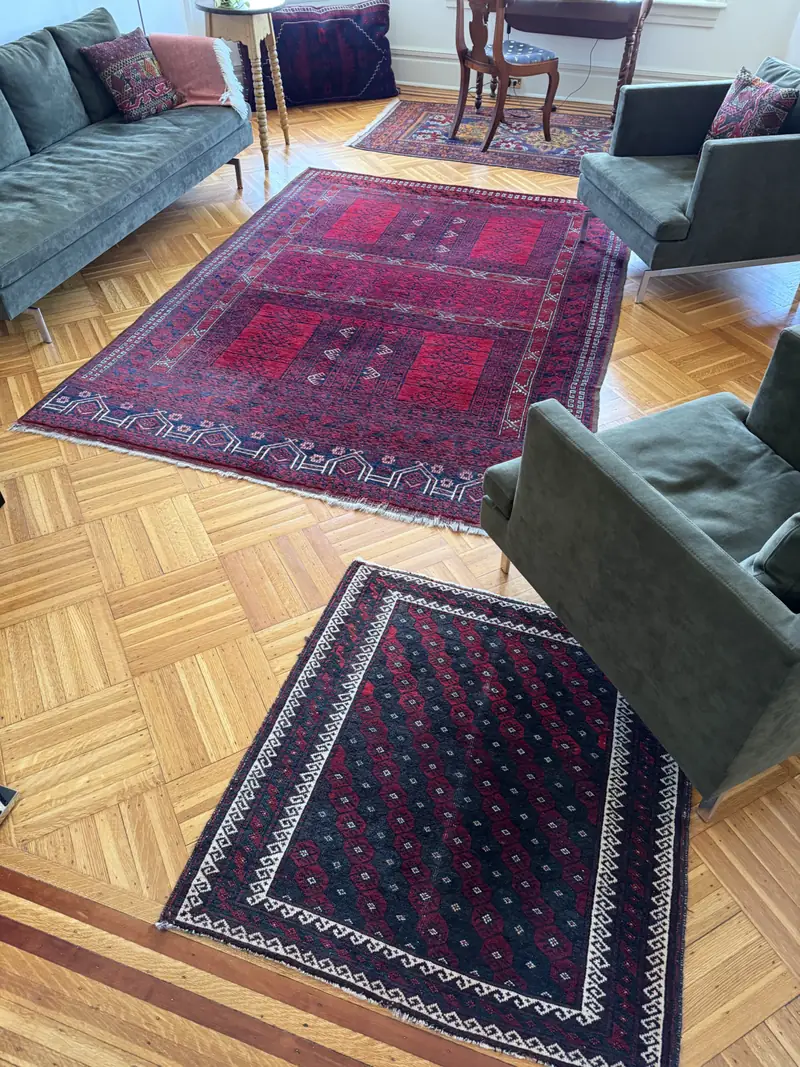
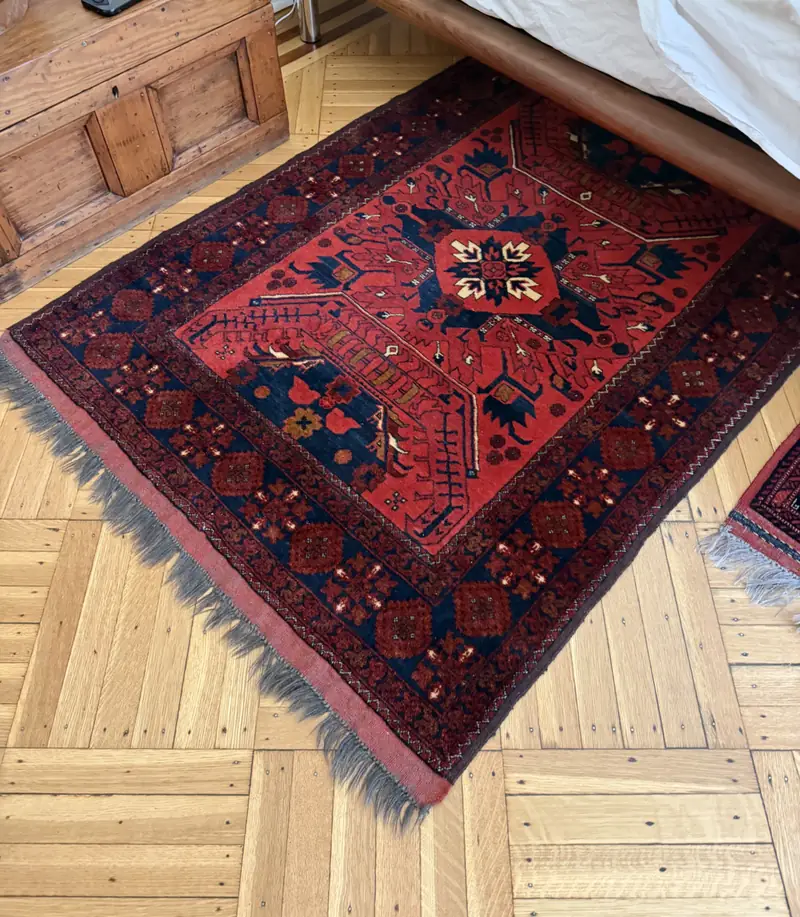
Rugs, on the other hand, are individual, standalone pieces of floor covering. They are not permanently attached to the floor and can be moved, rotated, or removed with relative ease. This portability offers significant flexibility in design and layout.
Area rugs are designed to define zones within a room, add warmth, or introduce color and texture. Runners, throw rugs, and accent rugs are other common types, each serving a specific aesthetic or functional purpose in smaller areas. Their non-permanent nature makes them ideal for renters or those who like to frequently change their decor.
Materials and Construction
The materials and construction methods used for carpets and rugs also vary, influencing their durability, feel, and cleaning requirements. Both can use a wide range of fibers, but their application differs.
Carpet Materials
Carpets are typically made from durable synthetic fibers like nylon, polyester, and olefin, or natural fibers such as wool. Nylon is prized for its resilience and stain resistance, making it suitable for high-traffic areas. Polyester offers a luxurious feel and good color retention.
Wool carpets are known for their natural durability, softness, and excellent insulation properties. They can be more expensive but offer longevity. The construction often involves tufting, where fibers are stitched into a backing material, or weaving for more intricate patterns.
Rug Materials
Rugs can feature an even broader array of materials than carpets, from robust synthetics to delicate natural fibers. Common synthetic rug materials include polypropylene (olefin), nylon, and rayon, offering affordability and versatility. Natural fibers for rugs encompass wool, cotton, jute, sisal, silk, and even bamboo.
The construction of rugs can be highly diverse. Power-loomed rugs are common for mass production. Hand-knotted, hand-tufted, and flat-woven techniques are used for artisanal and high-quality pieces, each imparting unique textures and durability characteristics.
Sizing and Coverage
The most obvious difference is size and how they cover a space. This impacts not only aesthetics but also functionality and cost.
Carpets: Full Room Coverage
Carpets are cut to size to cover the entire floor of a room, from one wall to the other. This wall-to-wall coverage creates a uniform and cohesive look, often making a room feel larger and more integrated.
Rugs: Defined Areas
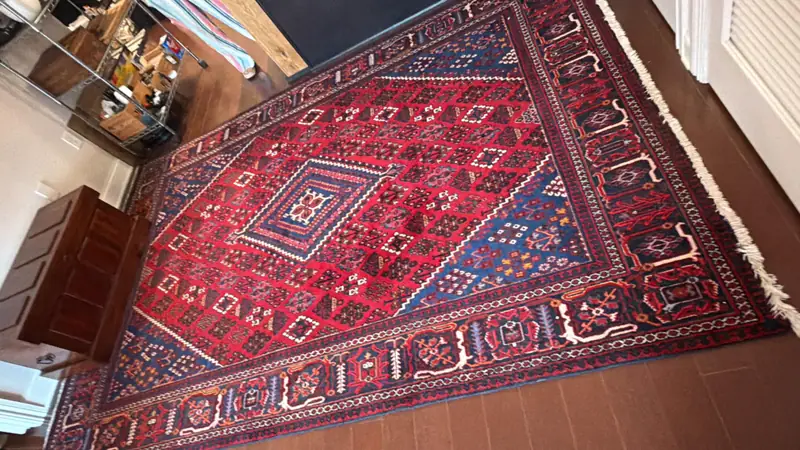
Rugs come in standard sizes (e.g., 5x7, 8x10, 9x12 feet) or custom dimensions, designed to cover specific areas within a room. They are used to delineate spaces, add visual interest, and protect underlying flooring.
Lifespan and Cost
Both carpets and rugs are significant investments, and their lifespan and cost are influenced by materials, construction, traffic, and maintenance.
A well-maintained carpet made from quality materials can last 10-15 years. The lifespan of a rug varies tremendously: a high-quality, hand-knotted wool rug can last for decades, while mass-produced synthetic rugs might last 5-10 years.
Cleaning and Maintenance Needs
Due to their differences in installation, size, and materials, carpets and rugs have distinct cleaning and maintenance requirements.
Carpet Maintenance
- Regular vacuuming: Prevents dirt and debris from settling deep into the fibers.
- Prompt spot cleaning: Spills must be treated immediately. Blot, don't rub.
- Professional deep cleaning: Recommended every 12-18 months.
Rug Maintenance
- Vacuuming and rotating: Periodically rotate your rugs to ensure even wear and sun exposure.
- Spot cleaning: Address spills immediately with gentle, appropriate cleaners.
- Underlays: Using a rug pad prevents slipping and protects the rug and floor.
- Shaking small rugs: Take small rugs outside to remove loose dirt.
- Professional deep cleaning: High-traffic rugs might need cleaning every 1-3 years.
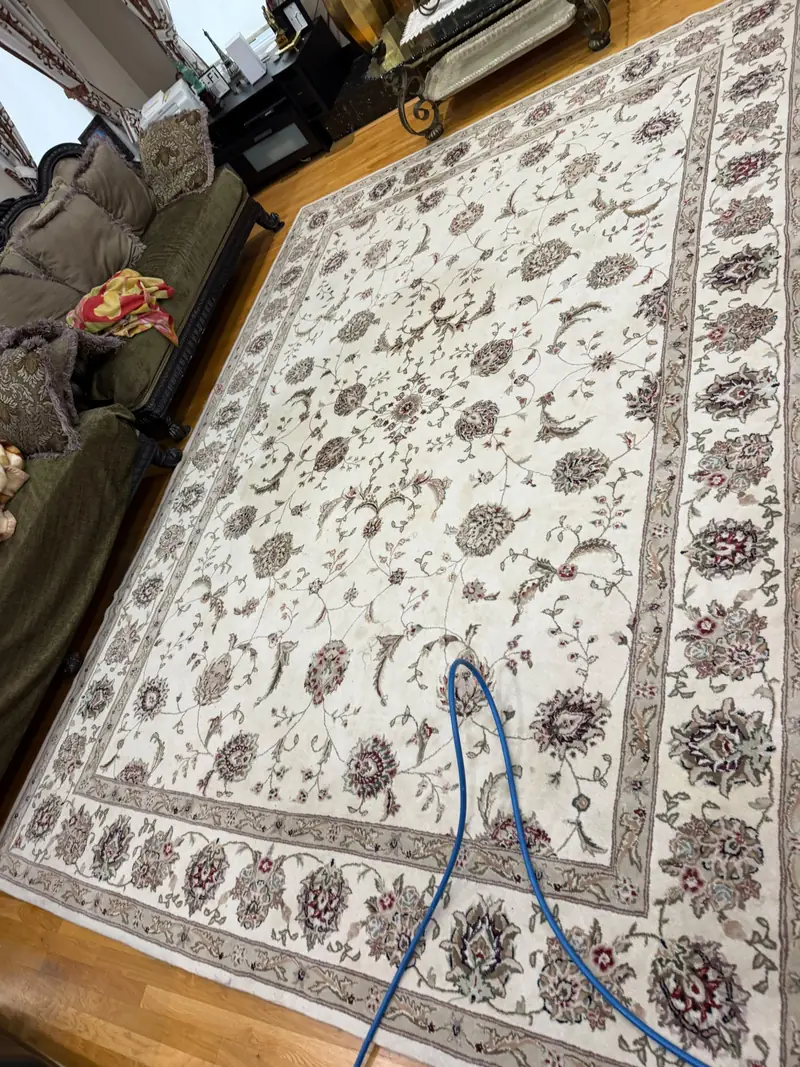
Neglecting proper care can lead to problems that commonly ruin rugs. For delicate or valuable rugs, professional rug cleaning is highly recommended. You might be interested in understanding what happens during a professional rug cleaning. This specialized service ensures thorough cleaning without damaging the fibers or dyes.
By understanding the unique characteristics and maintenance needs of both carpets and rugs, you can make informed choices and ensure your floor coverings remain beautiful and functional for years to come.