Why Professional Care Matters for Your Home Assets
Area rug cleaning is more than a simple chore; it is a vital part of maintaining the health and aesthetics of your living space. Rugs act as the largest filters in your home, trapping dust, allergens, and pollutants that circulate in the air. Over time, these particles settle deep within the fibers, where a standard vacuum cannot reach.
Investing in high-quality area rug cleaning ensures that these ground-in contaminants are removed without damaging the delicate structure of the rug. Understanding what your rug is made of and how it was constructed is the first step toward better home maintenance.
Understanding Fiber Types and Their Needs
The foundation of proper care lies in the materials used to create the piece. Every fiber reacts differently to moisture, heat, and cleaning agents.
Natural Fibers: Wool and Silk
Wool is the most common material for high-end area rugs. It is naturally durable and fire-resistant, but its porous nature means it can hold a significant amount of dry soil before it even looks dirty. Silk, on the other hand, is incredibly delicate. It offers a luxurious sheen but requires a very specific, low-moisture approach to prevent the fibers from becoming brittle or losing their luster.
Plant-Based Fibers: Cotton, Jute, and Sisal
Cotton is often used for the foundation (the warp and weft) of rugs, but it can also be the primary pile. It is prone to shrinking and browning if not dried correctly. Organic fibers like jute and sisal are popular for their earthy aesthetic, yet they are highly absorbent. Spills on these materials must be addressed immediately to prevent permanent staining.
Synthetic Fibers: Nylon and Polyester
Modern area rugs are frequently made from synthetic materials. While these are generally more resistant to staining, they have an affinity for oil. This means they can take on a "dingy" look over time as skin oils and kitchen grease attract dust. Specialized area rug cleaning techniques are required to break down these oily bonds.
The Impact of Rug Construction on Cleaning
How a rug is built determines how it should be handled during the cleaning process. A hand-knotted heirloom requires a vastly different approach than a machine-made contemporary piece.
Hand-Knotted vs. Tufted Rugs
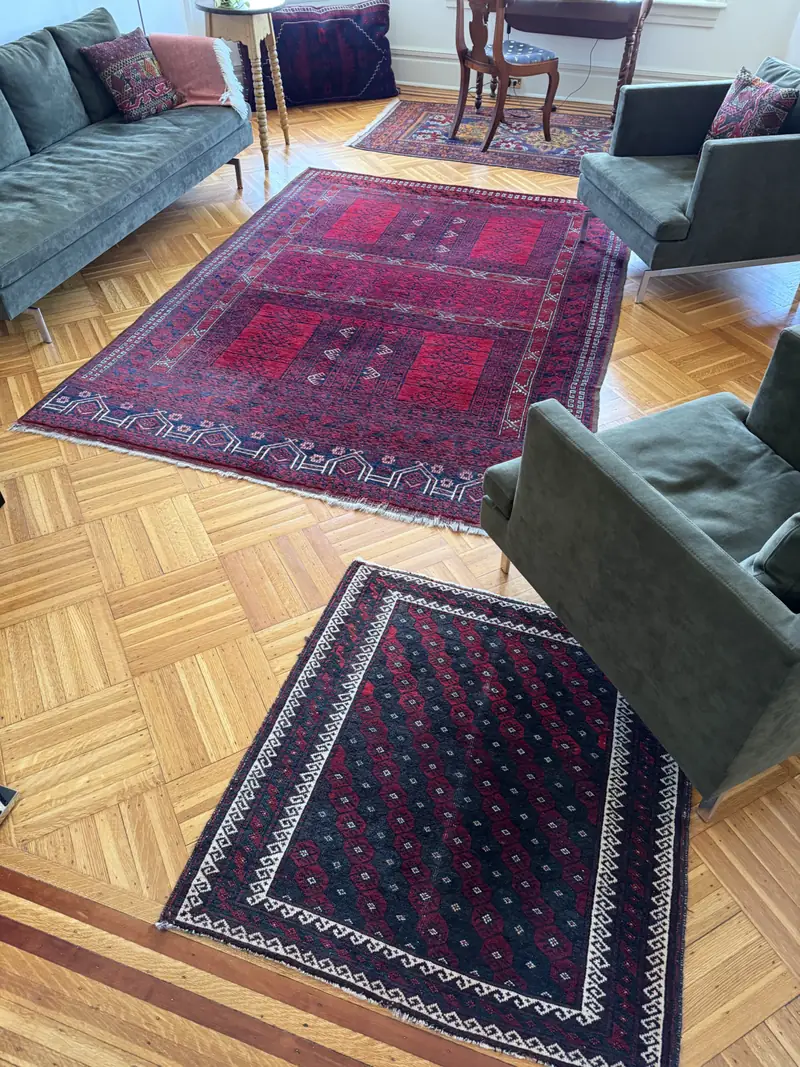
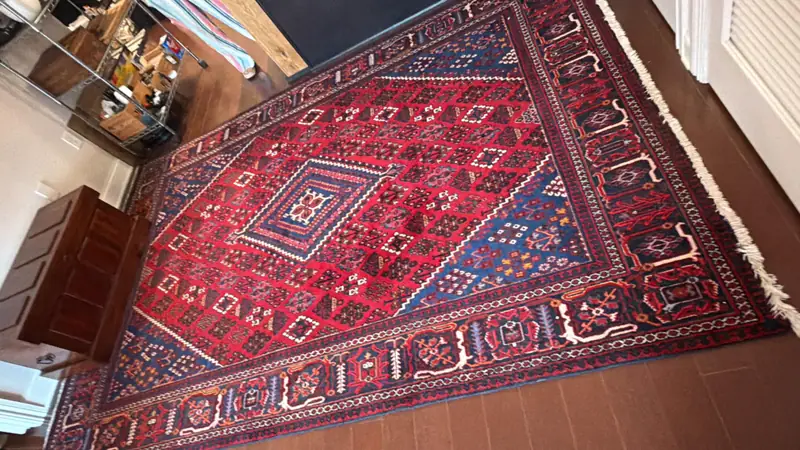
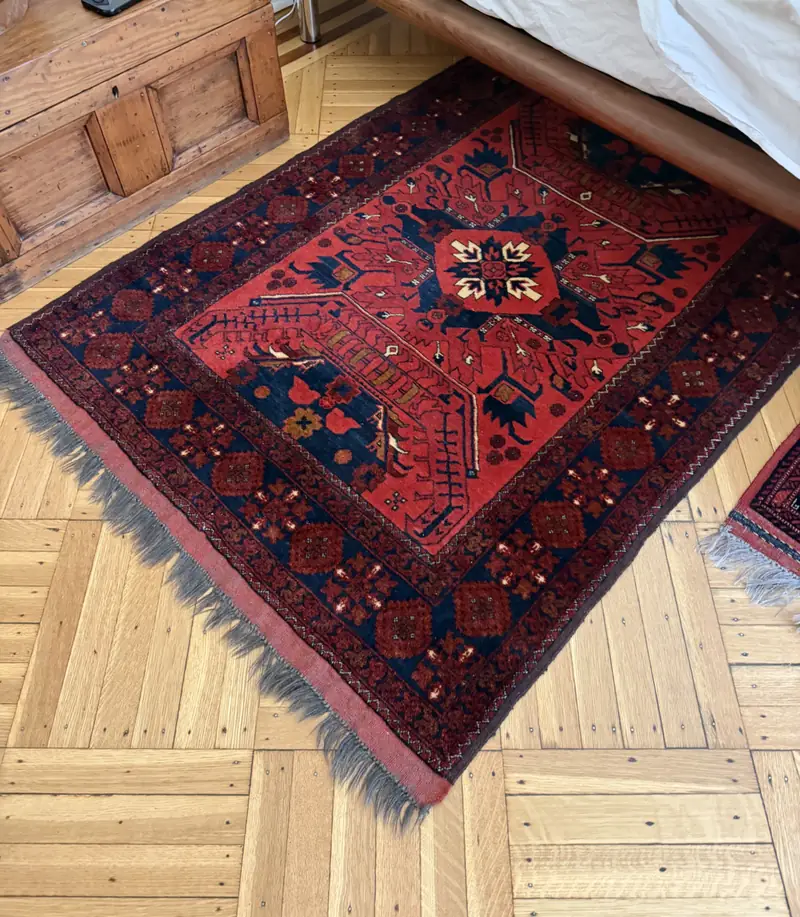
Hand-knotted rugs are masterpieces of craftsmanship where every yarn is tied to the foundation. These rugs are incredibly resilient and can often be "submerged" cleaned, which is the most thorough method.
Tufted rugs, however, are made by punching yarn through a canvas backing and securing it with latex glue. If these rugs become too saturated or stay wet for too long, the glue can break down (delamination), leading to a persistent "burnt rubber" smell and a powdery residue.
Pile Density and Depth
High-pile or "shag" rugs have long fibers that easily wrap around dirt. These require deep agitation to loosen debris. Low-pile rugs are easier to vacuum but can show "traffic lanes" more quickly as the fibers become crushed by foot traffic. Proper grooming after cleaning helps reset the pile and maintain the rug's texture.
The Science of Dyes and Color Fastness
One of the biggest risks in area rug cleaning is "bleeding," which occurs when dyes migrate from one area of the rug to another. This is especially common in rugs with high-contrast colors, such as a deep red navy design on a cream background.
- Natural Dyes: Derived from plants and insects, these are common in antique rugs. They are generally stable but can react to improper pH levels in cleaning solutions.
- Synthetic Dyes: Used in most modern rugs, these are vibrant and generally colorfast, though "excess" dye can sometimes shed during the first few professional cleanings.
- Tea Washing: Some rugs are treated with a tea-colored dye to give them a "vintage" look. This dye is often topical and can be removed by standard cleaning, requiring a professional to use specialized stabilizing agents.
Essential Maintenance Tips for NYC Homeowners
Living in areas like Manhattan, Brooklyn, or Queens presents unique challenges for rug owners. City dust is often finer and more soot-heavy than suburban dust.
- Rotate Your Rugs: Every six months, rotate your rug 180 degrees. This ensures that light exposure and foot traffic are distributed evenly, preventing uneven fading and wear patterns.
- Vacuum with Care: Use a vacuum with adjustable height settings. For wool rugs, avoid using a heavy beater bar, as it can "fuzz" the natural fibers. Instead, use suction-only or a very light brush setting.
- Address Spills Immediately: Blot (never scrub) a spill. Scrubbing permanently damages the fiber twist, creating a "fuzzy" patch that will never look right again. Use a clean white cloth and plain water for most water-based spills.
- Professional Deep Cleaning: Even with regular vacuuming, you should schedule a professional area rug cleaning every 12 to 18 months. This removes the abrasive grit at the base of the fibers that acts like sandpaper, cutting through the yarns every time you walk on the rug.
Serving Our Local Communities
We understand the needs of residents across the region, from the brownstones of Brooklyn to the high-rises of Manhattan and Queens. We also extend our specialized services to homeowners in Westchester, Hoboken, and Jersey City.
Each of these environments brings different variables: high humidity near the water in Hoboken or the heavy foot traffic of a Westchester family home. Our methods are tailored to these specific conditions, and every rug is assessed before a method is chosen.
Conclusion: A Long-Term Investment
Area rugs are more than just floor coverings; they are an investment in your home’s comfort and style. By understanding the fibers, construction, and dyes involved, you can make better decisions regarding their care. Regular maintenance and professional area rug cleaning are the keys to preserving the color, texture, and structural integrity of your favorite pieces. Whether you have a modern synthetic rug or a generations-old wool heirloom, proper care ensures it remains a centerpiece of your home.