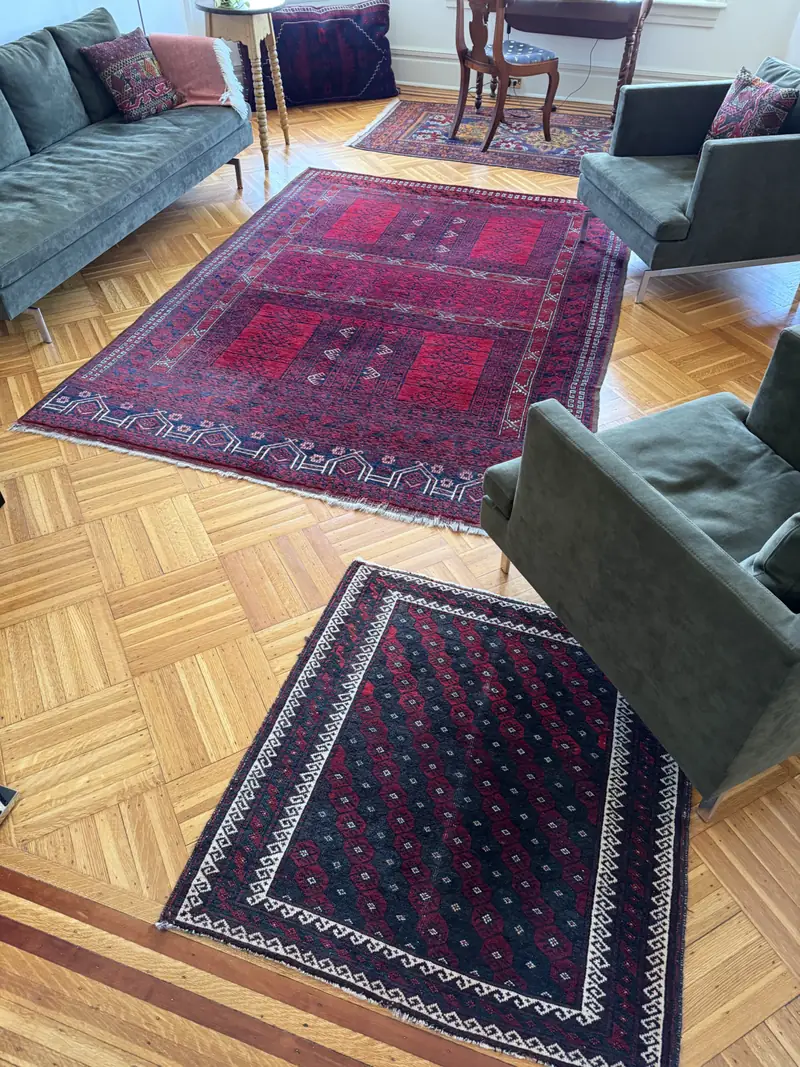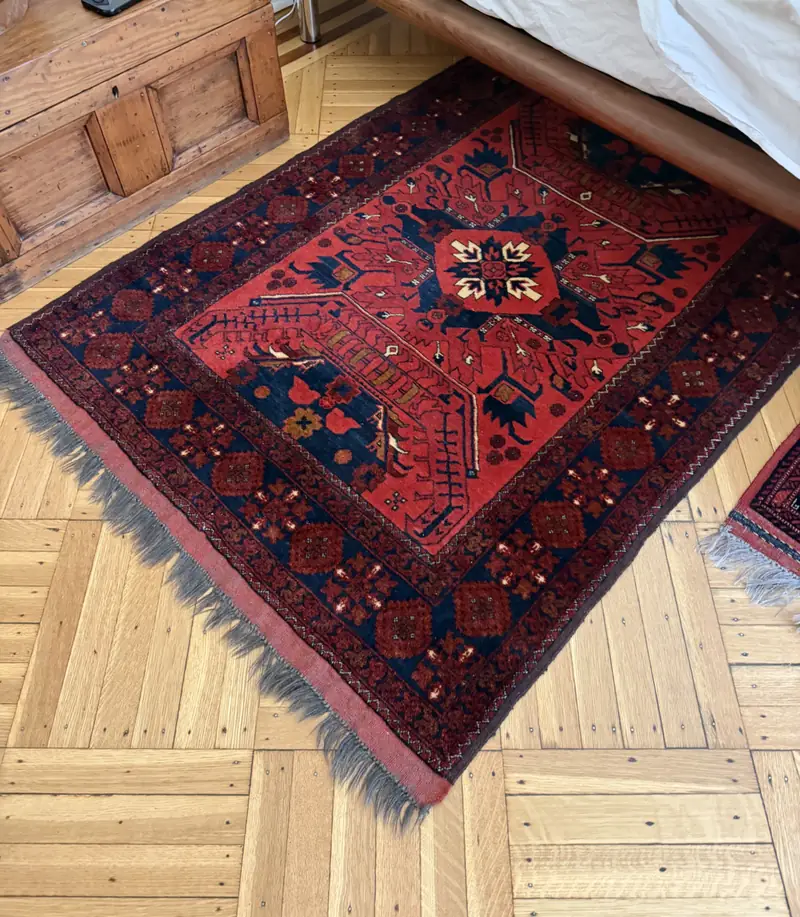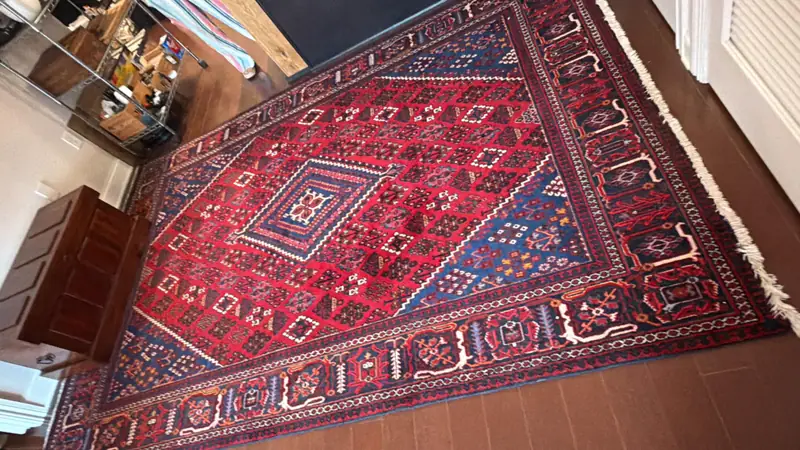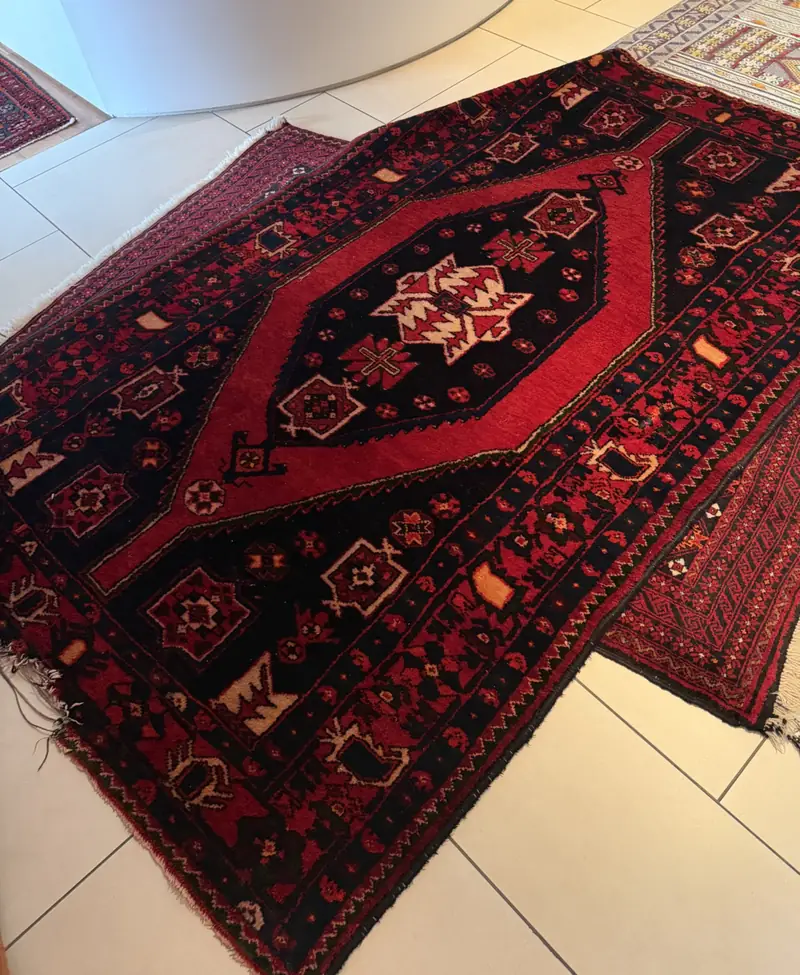
Oriental rugs are exquisite works of art that add warmth and character to any home. Their intricate designs and often vibrant colors are a testament to skilled craftsmanship. Proper Oriental rug cleaning is not just about aesthetics; it's crucial for preserving the rug's fibers, dyes, and overall value. Understanding the right cleaning techniques can significantly extend the life of these cherished heirlooms.
Like any fine textile, Oriental rugs require consistent care to prevent premature wear and maintain their luxurious appearance. Regular maintenance helps remove abrasive dirt particles that can damage fibers over time, contributing to why a clean home environment matters for your rug's longevity.
Oriental Rug Cleaning: Frequency Based on Traffic
The frequency of cleaning for your Oriental rug largely depends on the amount of foot traffic it receives. Different areas of your home present varying levels of wear and tear, necessitating different cleaning schedules.
Low Traffic Areas (e.g., bedrooms, formal dining rooms)
Rugs in these areas experience minimal footfall. They typically require less frequent attention but still benefit from regular light cleaning.
- Vacuuming: Once a week to once every two weeks.
- Professional Cleaning: Every 3-5 years.
Moderate Traffic Areas (e.g., living rooms, hallways)
These rugs see more daily activity and are prone to accumulating more dirt and dust.
- Vacuuming: Once or twice a week.
- Professional Cleaning: Every 2-3 years.
High Traffic Areas (e.g., entryways, kitchens, family rooms)
Rugs in high-traffic zones endure constant exposure to dirt, spills, and wear. They need the most diligent care.
- Vacuuming: Two to three times a week, or even daily in some cases.
- Professional Cleaning: Every 1-2 years.
Safe At-Home Oriental Rug Cleaning Methods
While professional cleaning is essential, there are several gentle methods you can employ at home to keep your rug looking its best between deeper cleans.
Vacuuming with Care
Regular vacuuming is your first line of defense against dirt and grit. However, traditional vacuum cleaners with a beater bar can be too aggressive for delicate Oriental rug fibers.
- Use an attachment: Opt for an upholstery attachment or a vacuum without a beater bar.
- Low suction: If your vacuum has adjustable settings, use a low suction power.
- Vacuum with the pile: Always vacuum in the direction of the rug's pile to avoid damaging the fibers.
Gentle Airing
Periodically airing out your rug can help remove trapped dust and odors. Choose a dry, breezy day for this.
- Outdoor airing: Carefully lay the rug flat on a clean, dry surface outdoors for a few hours.
- Avoid direct sunlight: Prolonged exposure to intense sunlight can fade dyes, so choose a shaded or indirect sun location.
Blotting Spills Immediately
Accidents happen. The key to preventing stains is quick action.
- Blot, don't rub: Use a clean, white cloth or paper towel to blot the spill. Rubbing can spread the stain and push it deeper into the fibers.
- Water only: For most fresh spills, plain cool water is sufficient. Dampen a clean cloth and continue blotting.
- Test first: If using a mild cleaner, always test it on an inconspicuous area first to ensure it doesn't cause discoloration.
Oriental Rug Cleaning: Do's and Don'ts
Following these guidelines will help preserve your rug's beauty and longevity.
Do's
- Rotate your rug: Turn your rug every 6-12 months to ensure even wear and exposure to light.
- Use a rug pad: A good quality rug pad protects the rug from friction, prevents slipping, and provides cushioning.
- Shake smaller rugs: For smaller, more manageable rugs, take them outside and gently shake or beat them to release dust.
- Address spills immediately: As mentioned, prompt action is crucial for stain removal.
Don'ts
- Don't use a beater bar: Avoid vacuum cleaners with rotating brush bars, as they can pull and damage delicate fibers.
- Don't steam clean: Steam cleaning can warp the foundation, cause dyes to bleed, and leave moisture that can lead to mold and mildew.
- Don't use harsh chemicals: Commercial carpet cleaners or strong detergents can strip natural oils, dull colors, and damage the fibers.
- Don't over-wet: Excessive moisture can damage the rug's foundation, cause shrinking, and encourage microbial growth.
- Don't leave spills untreated: Dried spills are much harder to remove and can become permanent stains.
At-Home vs. Professional Oriental Rug Cleaning
While diligent at-home care is beneficial, it cannot replace the thoroughness of professional Oriental rug cleaning. Knowing the difference and when to opt for expert intervention is key.
When to Call a Professional
There comes a time when even the most careful homeowner needs to enlist the help of specialists. Indicators that your rug needs professional care include:
- Deep-seated dirt: If a test (e.g., hitting the back of the rug) reveals a cloud of dust, your rug has accumulated significant embedded dirt.
- Visible soiling: General dinginess or discolored pathways indicate a need for deep cleaning.
- Persistent odors: Unpleasant smells, even after airing, suggest trapped particles, pet accidents, or mildew.
- Stains that won't budge: If your non-abrasive at-home stain treatments haven't worked, it's time for an expert.
- Fading colors: Professional cleaning can sometimes revitalize dull colors by removing layers of grime.
- Pet accidents: Urine can be particularly damaging and requires specialized treatment to prevent permanent odors and fiber damage.
Professional Oriental rug cleaning services understand the unique structure, dyes, and materials of these handmade treasures. They employ specialized techniques like dusting, washing, and controlled drying that are impossible to replicate at home. You can learn more about what happens during a professional Oriental rug cleaning service to understand the benefits.
Common Mistakes to Avoid in DIY Deep Cleaning
Many well-intentioned DIY attempts can inadvertently harm your rug.
- Using rented machines: Carpet cleaning machines designed for wall-to-wall carpets often use high heat, harsh chemicals, and excessive water, which are detrimental to delicate Oriental rugs.
- Bleaching or scrubbing: Aggressive scrubbing or using bleaching agents can permanently damage fibers and alter colors.
- Improper drying: Drying your rug flat on a hard, non-porous surface can prolong drying time and lead to mildew. Professional cleaners use controlled drying methods.
Taking excellent care of your Oriental rug ensures it remains a cherished part of your home for generations. Regular, gentle maintenance combined with timely professional cleanings will help preserve its intricate beauty and value over time.