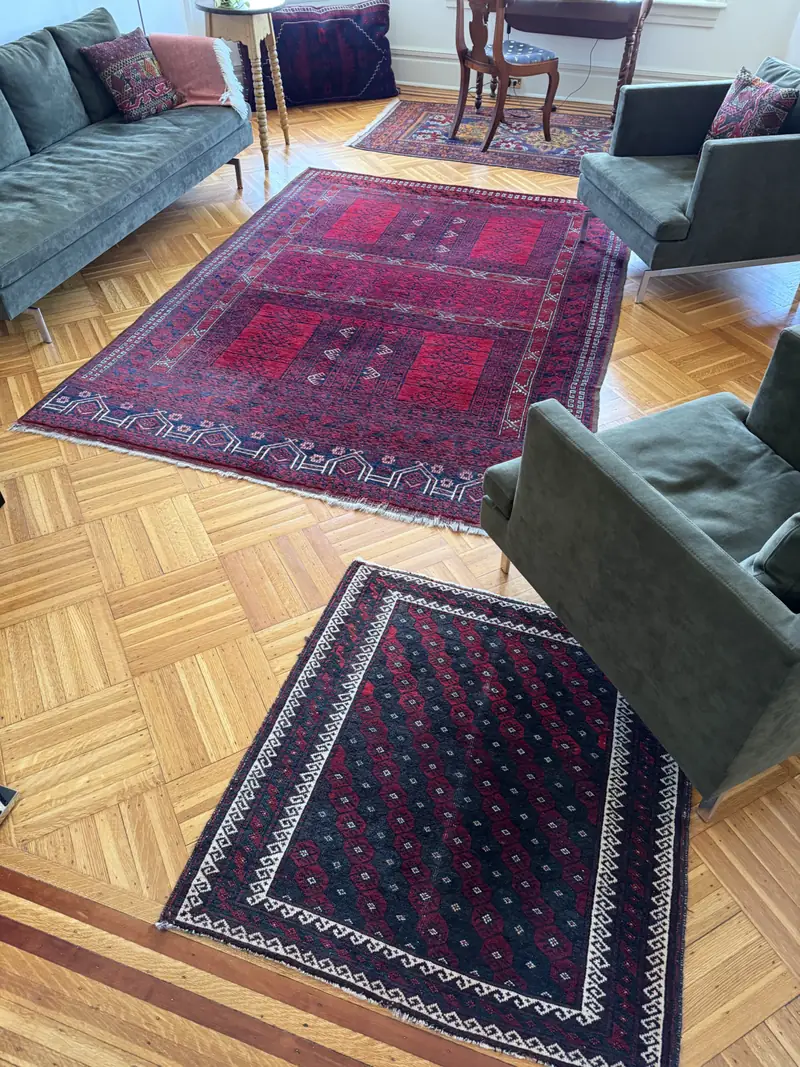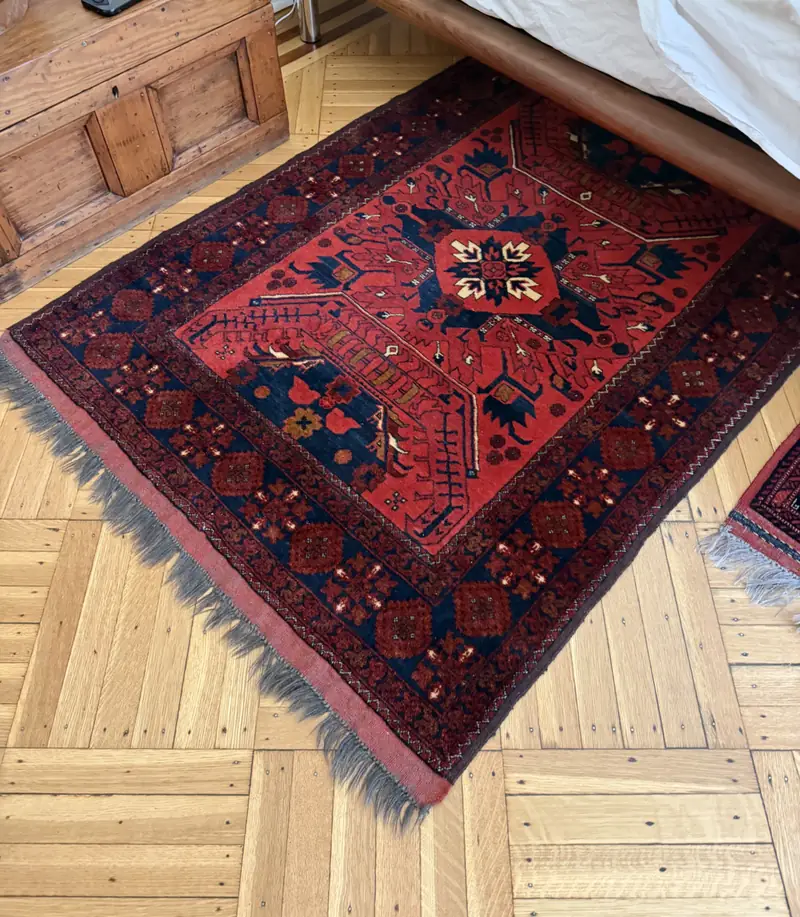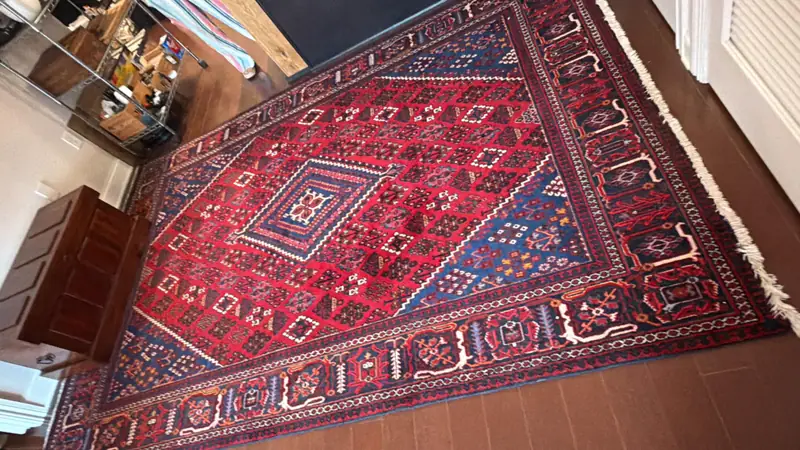
Understanding the Fundamentals of Proper Rug Care
A high-quality rug is often the centerpiece of a room. It anchors the furniture, softens the acoustics, and adds a layer of warmth that hard flooring simply cannot provide. However, many homeowners view these pieces as static objects rather than complex textiles. Because rugs are placed on the floor, they inevitably encounter dust, oils, and foot traffic, making professional rug cleaning an essential part of home maintenance. Understanding the basics of rug construction and fiber types is the first step in preserving your investment. Whether you live in a modern apartment in Manhattan or a historic home in Westchester, knowing what lies beneath your feet helps you make better decisions about how to care for it. This guide explores the foundational elements of rugs and how these factors influence the cleaning process.
The Importance of Fiber Identification
The material used to weave a rug determines its durability, feel, and reaction to moisture. Different fibers require distinct approaches to cleaning to ensure the structural integrity of the piece remains intact.
Natural Animal Fibers: Wool and Silk
Wool is the most common material found in luxury rugs. It is naturally resilient, flame-retardant, and excellent at hiding soil. However, wool is also highly absorbent. While it can hold a significant amount of dust before appearing dirty, it requires deep cleaning to remove embedded grit that can saw away at the fibers from the base. Silk, on the other hand, is prized for its luster and fine detail. It is far more delicate than wool and can be easily damaged by high heat or improper pH levels in cleaning solutions. Silk rugs require a specialized touch to maintain their sheen and soft texture.
Plant-Based Fibers: Cotton, Jute, and Sisal
Cotton is frequently used for the foundation (the warp and weft) of hand-knotted rugs, though it is sometimes used for the pile as well. It is strong but prone to browning if left wet for too long. Natural grasses like jute and sisal provide a rustic aesthetic. These fibers are incredibly absorbent and sensitive to moisture. Standard steam cleaning methods used on wall-to-wall carpeting can cause these rugs to shrink, warp, or develop water stains, which is why dry-cleaning methods or moisture-controlled professional rug cleaning is necessary.
Construction Methods and Their Impact
How a rug is made is just as important as what it is made of. The construction method dictates how the rug will respond to traffic and how deeply dirt can settle into the backing.
Hand-Knotted vs. Hand-Tufted
Hand-knotted rugs are the pinnacle of craftsmanship. Each knot is tied individually by an artisan. These rugs are incredibly durable and can last for generations if properly maintained. Because they lack synthetic glues, they can be submerged in water for a thorough wash. Hand-tufted rugs may look similar from the top, but they are made using a tufting gun to push yarn through a canvas backing. A heavy layer of latex glue is then applied to hold the fibers in place, topped with a protective fabric layer. Over time, this glue can break down, releasing a fine white powder. These rugs require careful handling to ensure the cleaning process doesn't accelerate the degradation of the adhesive.
Machine-Made and Power-Loomed
Modern machine-made rugs are often produced with synthetic fibers like polypropylene or polyester. While these are stain-resistant, they lack the longevity of natural fibers. Soil tends to sit on the surface, but because the fibers are essentially plastic, they can develop "traffic lanes" where the fibers have been physically scratched and dulled by dirt.
The Lifecycle of Dust and Contaminants
It is a common misconception that a rug only needs cleaning when it looks dirty. In reality, rugs act as giant air filters for your home. This is especially true in urban environments like Brooklyn or Jersey City, where soot and pollutants from the city can easily find their way indoors.
Hidden Soil and Fiber Abrasion
Microscopic particles of sand and grit act like tiny knives. Every time you walk across a rug, these particles are pushed deeper into the pile, where they rub against the base of the yarns. Over time, this friction weakens the fibers, leading to premature thinning and "balding" of the rug. Periodic professional rug cleaning removes this abrasive grit before it can cause permanent physical damage.
Allergens and Indoor Air Quality
Dust mites, pet dander, and pollen settle into rug fibers. Regular vacuuming helps, but it only reaches the surface level. Professional deep cleaning and disinfection help to extract these allergens, contributing to a healthier living environment. This is particularly important for families with small children or pets who spend a significant amount of time on the floor.
Protecting Dyes and Preventing Color Bleed
The beauty of a rug often lies in its vibrant colors and intricate patterns. However, dyes are not always stable. * Synthetic Dyes: Most modern rugs use chrome dyes, which are generally colorfast. * Natural/Vegetable Dyes: Traditional rugs often use dyes derived from plants, insects, or minerals. These can be more sensitive to pH changes. * Over-dyed Rugs: A popular modern trend involves taking older rugs and saturating them with a single bright color. These are notorious for "bleeding" and require expert stabilization during the cleaning process. Professional technicians test every rug for colorfastness before any moisture is applied. This helps keep the deep reds from migrating into the cream borders.
Best Practices for Home Maintenance
While professional rug cleaning is necessary every 12 to 18 months, there are steps you can take to maintain your rugs between visits: * Rotate Regularly: Change the orientation of your rug every 6 months to ensure even wear and prevent fading from sun exposure. * Vacuum Correctly: Use a vacuum without a beater bar for delicate rugs, or set the bar to the highest position. Avoid vacuuming the fringe, as it can get caught and torn. * Address Spills Immediately: Blot (never scrub) spills with a clean, white cotton cloth. Scrubbing twists the fibers and can cause permanent texture distortion. * Use High-Quality Padding: A good rug pad provides a buffer between the rug and the floor, reducing friction and preventing the rug from sliding.
Conclusion
A rug is more than a decorative accessory; it is a blend of artistry and engineering. By understanding the fibers, the construction, and the type of soil your rug encounters in areas like Queens or Hoboken, you can better appreciate the value of professional maintenance. Regular rug cleaning doesn't just improve the appearance of your home. It protects your investment and ensures your textiles remain a beautiful part of your space for years to come. Regardless of whether yours is a contemporary synthetic piece or an heirloom silk masterpiece, proper care is the key to longevity.