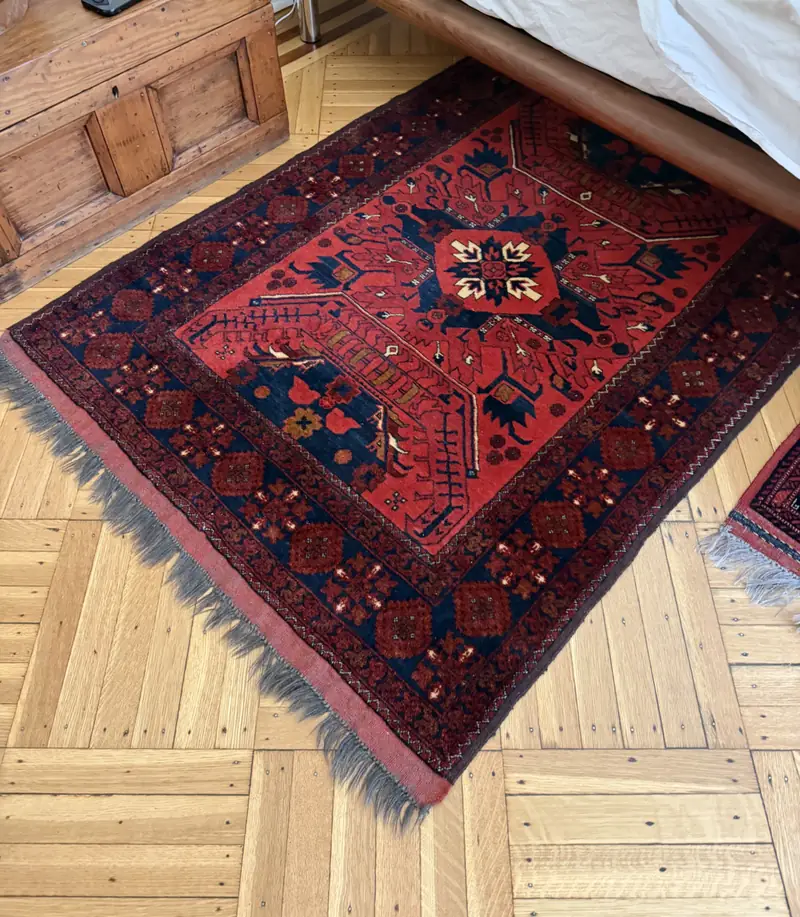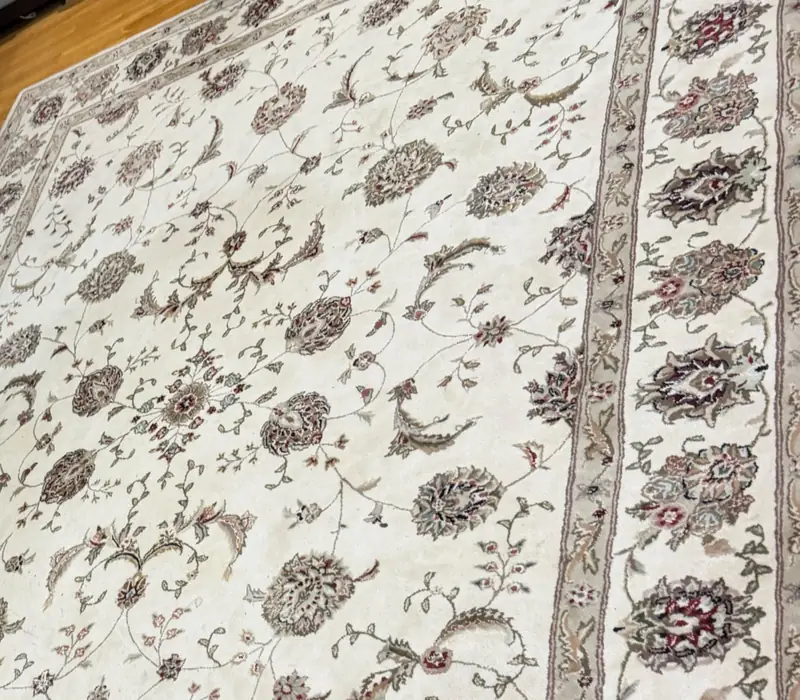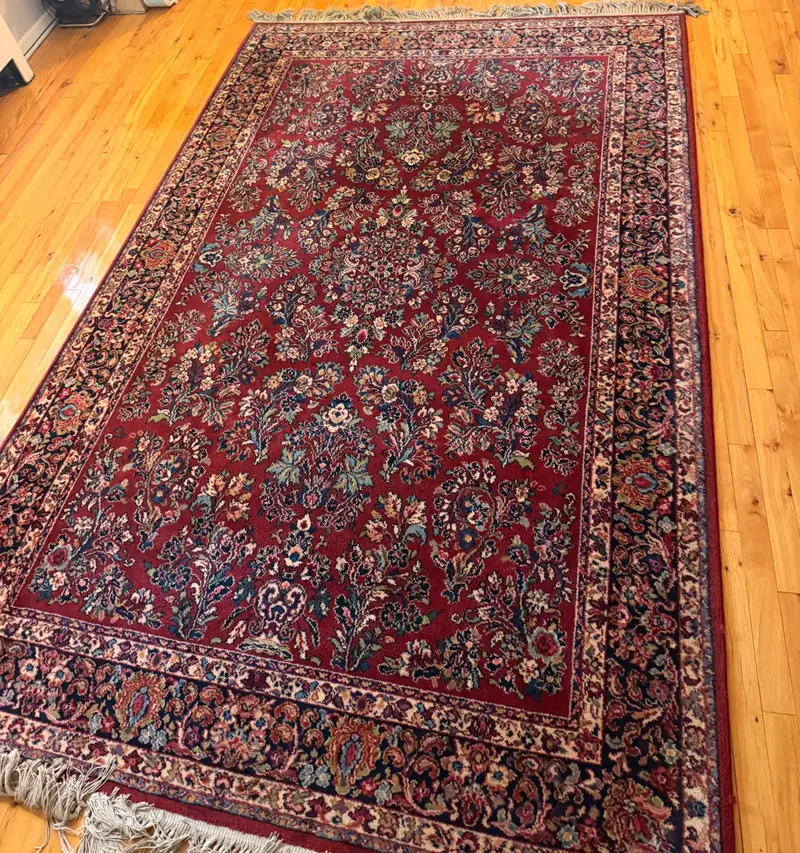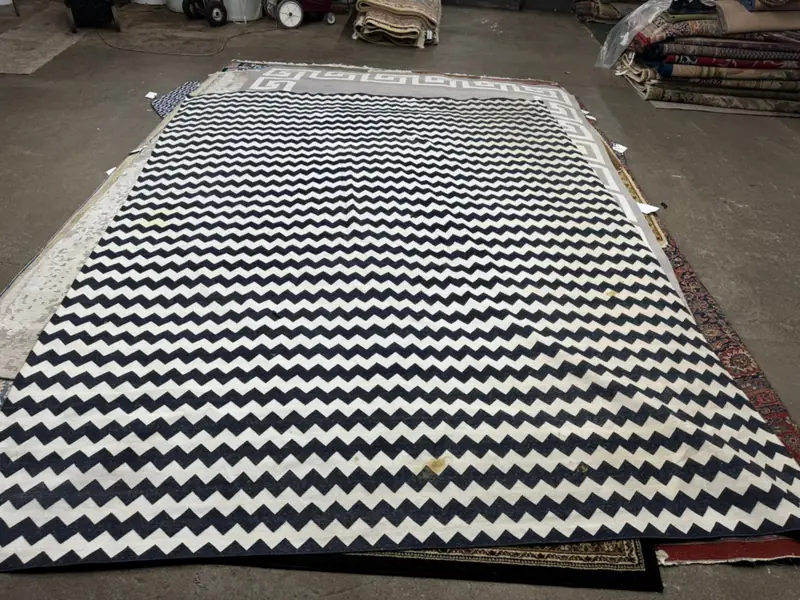
Yes, a rug can go into a storage unit or a basement if it is cleaned first, rolled rather than folded, wrapped in breathable material instead of sealed plastic, and kept off the floor. The two real risks are damp and pests, and both are manageable with the right preparation and a periodic check during the year.
Why cleaning comes first
Any rug put away with soil, oils or old spills still in it comes out of storage worse than it went in. Dust and skin oils are food for insects, and set-in stains oxidize over months into discoloration that is harder to reach later, especially in wool and silk. A professional clean, with the fiber and dye assessed first, removes what home vacuuming cannot. Oriental Rug Cleaning or Handmade Rug Cleaning before storage gives the rug its best chance of coming out the way it went in, within what the fiber and dye allow.
Roll the rug, never fold it
A rug folded for months develops a hard crease along the fold line. The foundation threads bend sharply and repeatedly under the weight of the rug itself, and in wool, and especially in silk, that crease can crack the foundation or leave a permanent line in the pile. Rolling spreads the stress along the length of the rug instead of concentrating it at one point. Roll with the pile facing in, in the direction the pile naturally lies, around a sturdy core such as a cardboard or PVC tube that is as wide as the rug allows. A rug rolled onto a narrow tube creates its own strain, so a wider core is kinder to the weave.
Wrap it so it can breathe
Sealed plastic feels protective, but it traps whatever moisture is already in the fibers or migrates in with changes in temperature. Trapped moisture against wool or silk encourages mold and mildew, and the smell is slow to leave even after another cleaning. Wrap the rolled rug in breathable material instead: a cotton sheet, heavy kraft paper, or a canvas rug bag made for the purpose. Leave the ends loosely closed rather than taped shut all around, so air can still move through. A cedar block tucked into the wrap does more for moth prevention on wool or silk pile than a plastic seal, which only hides a problem instead of reducing it.
Keep the rug off the floor and away from walls
Basement floors are concrete, and concrete wicks moisture up from the ground even when it looks and feels dry. A rolled rug resting directly on that floor absorbs damp from below for months without anyone noticing. Set it on a pallet, a shelf, or a few inches of raised decking, and keep it a short distance from exterior walls, where condensation and temperature swings are greatest. The same logic applies in a storage unit: a concrete slab floor and metal walls behave the same way a basement does, so raise the rug and keep it off the perimeter there as well.
Damp and pests are the two risks that matter
Nearly every storage problem with a rug traces back to one of these two things. Damp brings mold, mildew, and dyes that bleed or dull when humidity swings, and a basement with a sump pump or visible water lines is a warning sign even for a rug that will sit above it on a shelf. Pests are the other risk. Carpet beetles and clothes moths feed on wool and on the silk often found in fringe or pile, and they prefer the dark, undisturbed conditions storage provides. A rug that already carries eggs or larvae when it goes into storage gives them months with no one to interrupt them. For a wool or silk rug with any sign of activity, Moth Treatment before it goes away deals with larvae and eggs that cleaning alone may not fully reach.
Checking on the rug during the year
A rug put away and forgotten is a rug that comes out with problems too far along to reverse easily. Visit it every few months, unroll it partway, and look for a musty smell, a damp patch where it touches a wall or the floor, or small holes and shed fibers that suggest insects. Airing it out for a few hours, even just unrolled on a dry floor, lets trapped moisture evaporate before it turns into mold. Catching an early sign during one of these checks is often the difference between a rug that needs a routine clean and one that needs more extensive work.
A storage unit compared with a basement
Climate controlled storage units hold a steadier temperature and humidity than most basements, which swing with the weather outside and often run damp through summer. If a climate controlled unit is available, it is the more forgiving option for a hand knotted or antique rug. A basement can still work, with a dehumidifier run through humid months, a floor that stays dry, and the rug kept raised and away from exterior walls. Either space fails a rug the same way, through moisture it cannot dry out of and pests it cannot escape, so the precautions above matter more than which building the rug ends up in.
Questions people ask
How long can a rug stay rolled up in storage?
There is no fixed limit, but a rolled rug should not go untouched indefinitely. Check it every few months, unroll it partway to air out, and look it over before rolling it back up.
Is a climate controlled storage unit necessary?
It is not required, but it holds steadier temperature and humidity than most basements or standard units, which makes it the gentler option for an antique, silk or hand knotted rug.
Can I store a rug in a plastic bag or sealed in plastic wrap?
It is better avoided. Sealed plastic traps any moisture already in the fibers, which encourages mold and mildew. Use a breathable cotton sheet, kraft paper or a canvas rug bag instead.
What if I find moth damage or larvae when I unroll the rug?
Stop and have the rug looked at before putting it back into storage. A full cleaning combined with a moth treatment addresses larvae and eggs that a surface check will not reach.
Should I vacuum the rug before rolling it for storage?
A careful vacuuming helps, but it only removes dry surface soil. Oils, old spills and anything bonded into the fibers need a proper clean first, since those are what attract insects during months in storage.
Arrange a pickup
Pickup and return are free in all five boroughs, Westchester, Long Island and New Jersey. Arrange a pickup, get a quote or call (888) 789-7001. A request is not a confirmed appointment: our team calls you to confirm the details.