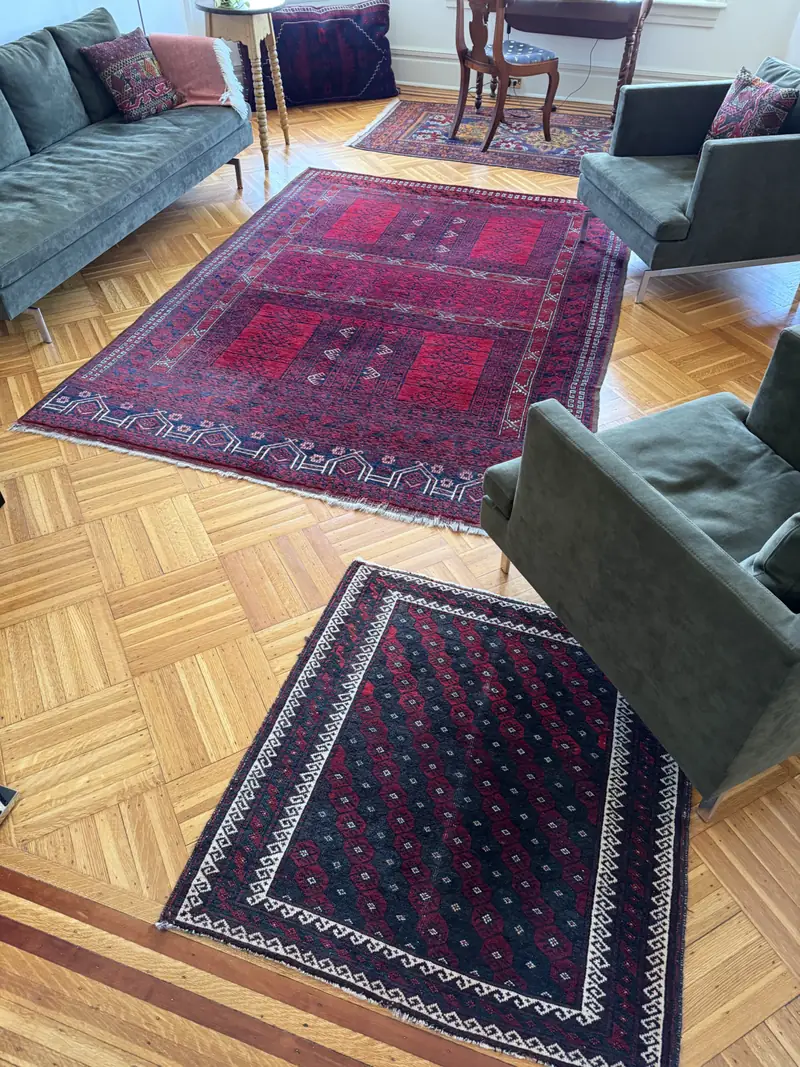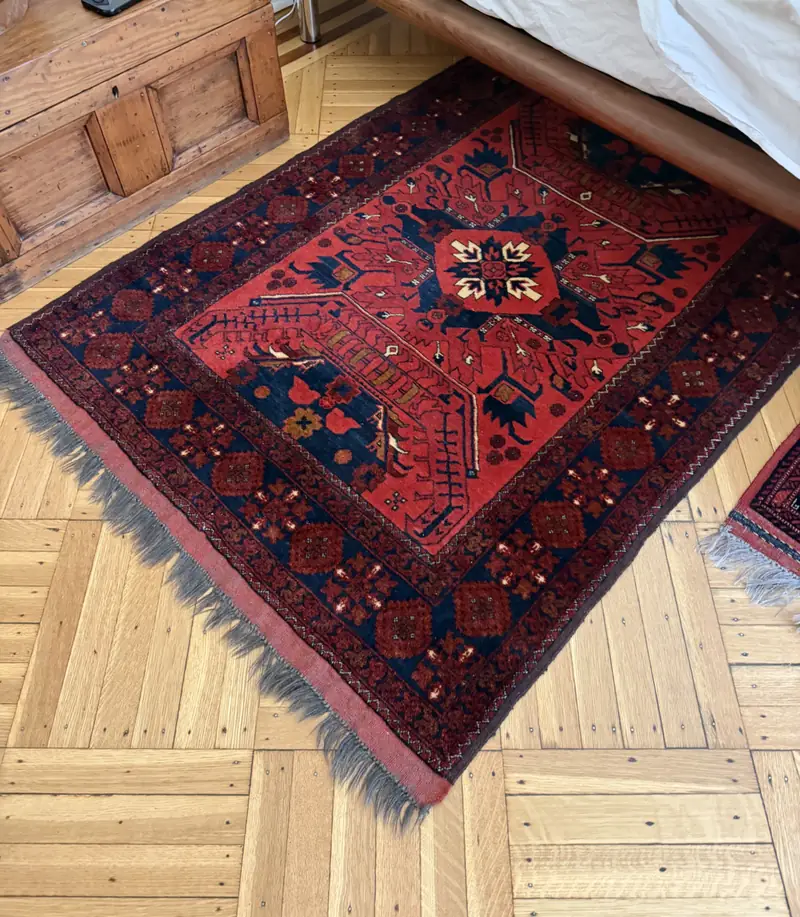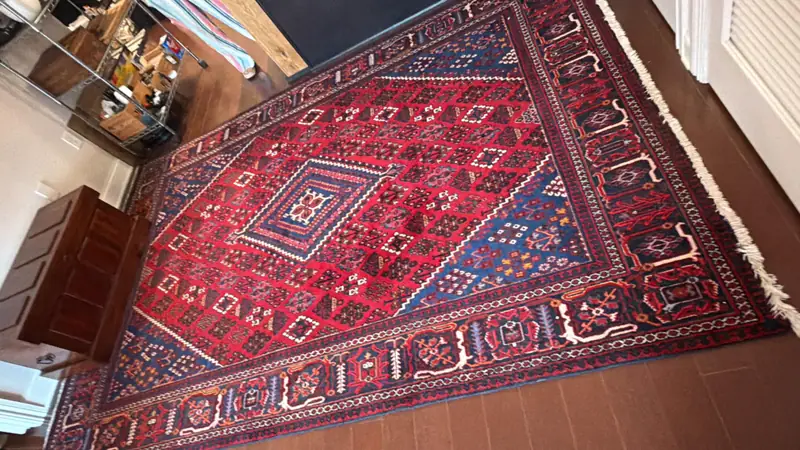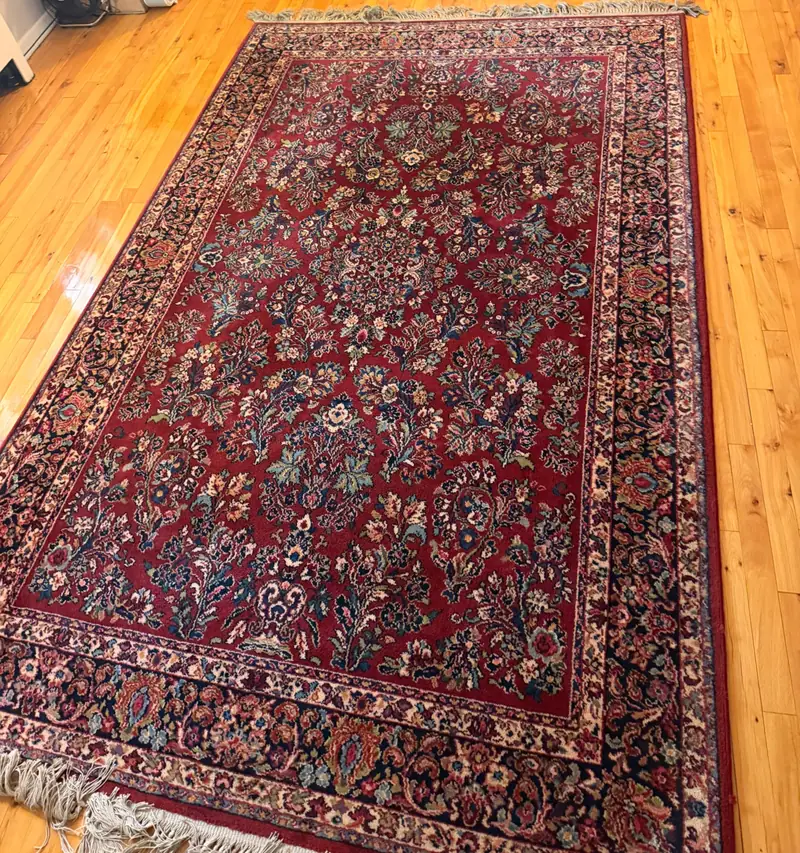
Rugs are more than just floor coverings; they're often heirlooms, cherished pieces of art, and significant investments. This is especially true for exquisite Persian rugs, known for their intricate designs and luxurious feel. However, these beautiful textiles are vulnerable to a range of issues that can compromise their beauty and longevity. Understanding these common problems is the first step in effective Persian rug cleaning and maintenance, allowing you to protect your cherished rug for years to come.
The Silent Threat: Dust and Dirt Buildup
One of the most insidious problems for any rug, but particularly for high-pile or densely woven Persian rugs, is the accumulation of dust and dirt. These microscopic particles don't just sit on the surface; they work their way deep into the rug's foundation.
Over time, this grit acts like sandpaper, abrading the rug fibers with every step. This leads to premature wear and tear, dulling the rug's colors and weakening its structure. Regular, gentle vacuuming is crucial, but it's important to use the right type of vacuum and technique to avoid damaging delicate fibers. For truly deep-seated grime, a professional Persian rug cleaning is essential to extract what household vacuums can't reach.
The Impact of Stains and Spills
Accidental spills are a common household hazard that can quickly turn into a permanent stain if not handled correctly. Different liquids and substances require different approaches, and acting quickly is always key. For any spill, blotting (not rubbing) is the immediate response.
Persian rugs, often made with natural fibers like wool and silk, are particularly susceptible to staining. Their vegetable dyes, while beautiful, can sometimes be prone to bleeding if exposed to harsh chemicals or excessive moisture. This is why attempting to clean a significant stain yourself can sometimes do more harm than good, potentially spreading the stain or damaging the dyes. Understanding what happens during a professional Persian rug cleaning service can highlight why expert intervention is often the best solution for stubborn or delicate stains.
Common Stain Culprits and Prevention
- Food and Drink: Red wine, coffee, and dark juices are notorious for their staining power. Use coasters and avoid eating directly over valuable rugs.
- Pet Accidents: Pet urine is highly acidic and can cause permanent dye damage, odor, and even structural weakening. Immediate action is critical. Enzymes are often needed to neutralize the acidity and eliminate odors.
- Ink and Grease: These require specialized cleaning agents and techniques. Attempting to remove them with general household cleaners can set the stain or spread it.
Offensive Odors: More Than Just a Nuisance
Unpleasant odors in a rug are not just an annoyance; they can indicate deeper issues. Odors often stem from spills, pet accidents, mold, or mildew. If moisture becomes trapped within the rug's fibers or foundation, it creates an ideal environment for microbial growth, leading to a musty smell and potential health hazards.
To prevent odors, ensure rugs are kept dry. If a spill occurs, dry the area thoroughly after blotting. For pet odors, specialized enzymatic cleaners are needed to break down the odor-causing bacteria. Masking an odor with air fresheners is never a solution; the source of the smell must be addressed.
Pet Damage: Chewing, Scratching, and Accidents
Pets, while beloved family members, can be a rug's worst enemy. Beyond accidents, pets can cause significant physical damage through chewing, scratching, and digging. Puppies and kittens, in particular, may see rug fringes as enticing toys, leading to unraveling and damage to the rug's edges.
Training pets, providing alternative toys, and regular nail trimming can help mitigate these issues. For any pet-related damage or persistent odors, professional cleaning and repair are often necessary to restore the rug. For a comprehensive overview of maintaining your cherished rug, you might find the complete homeowner's guide to Persian rug cleaning particularly helpful.
The Harm of Sun Fading
Exposure to direct sunlight, especially over prolonged periods, can cause the beautiful colors of a Persian rug to fade unevenly. This process is often gradual, making it hard to notice until significant damage has occurred. Natural dyes are particularly susceptible to UV radiation.
To prevent sun fading, rotate your rug periodically to ensure even exposure (or lack thereof). Use window coverings like blinds or curtains during peak sun hours. If possible, avoid placing valuable rugs in areas that receive intense, direct sunlight for extended periods.
Moth and Pest Infestations
Moths, especially clothes moths and carpet beetles, can cause devastating damage to wool and silk rugs. These pests feed on keratin, a protein found in natural fibers. They typically prefer dark, undisturbed areas, making rugs stored in attics or under furniture particularly vulnerable.
Signs of moth damage include bare patches, shedding fibers, and the presence of larvae or cocoons. Regular vacuuming, especially underneath and around the edges of the rug, can disturb these pests and remove eggs. If you suspect an infestation, professional treatment is highly recommended to eliminate the pests and prevent further damage.
By understanding these common threats and implementing proactive measures, you can significantly extend the life and preserve the beauty of your rugs. Regular maintenance, quick action on spills, and professional cleaning when needed are your best lines of defense against these damaging issues.