
Antique Rug Cleaning
in Gramercy & Flatiron
Gentle, low-agitation cleaning for vintage and antique rugs, with preservation first.
Arrange a pickup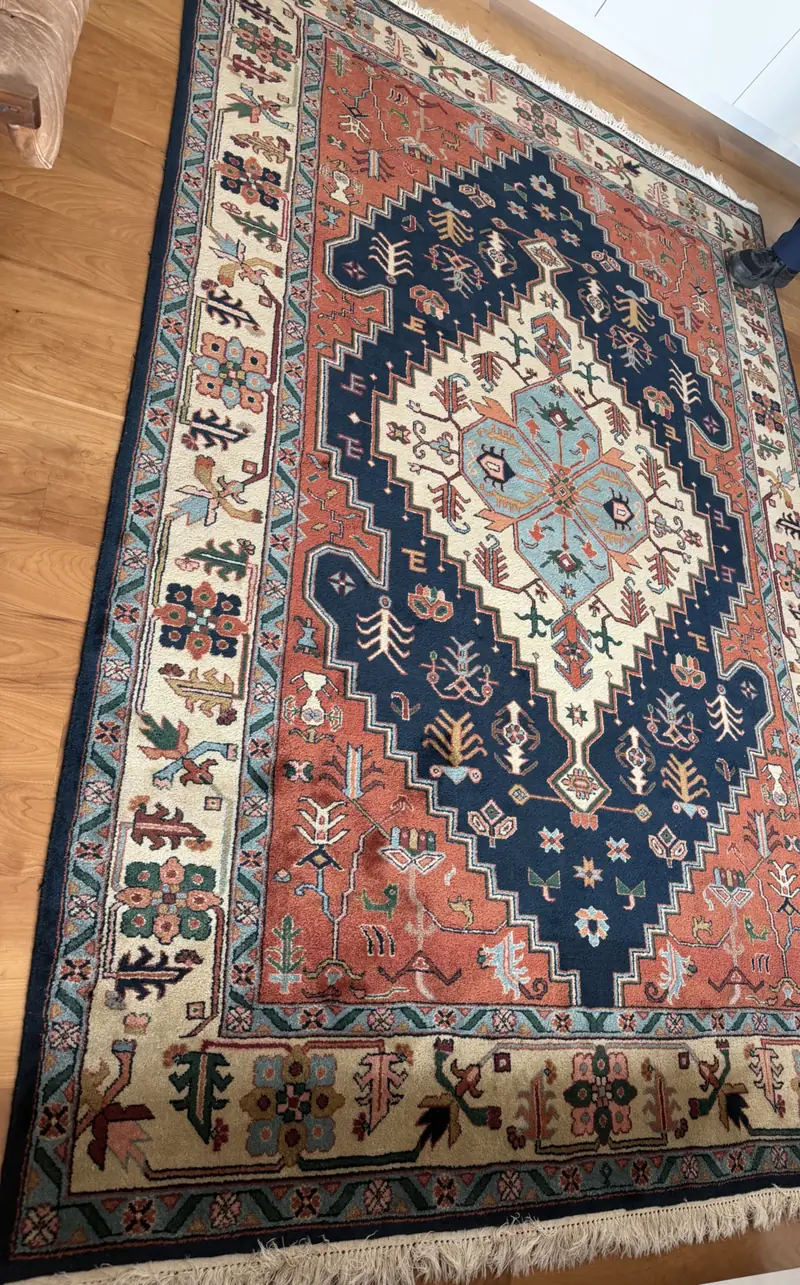 PHOTOGRAPHED BY OUR TEAM
Care begins with
understanding.
Antique rugs require an extraordinarily careful approach. Age, natural dyes, and delicate fibers demand cleaning techniques that prioritize preservation above all else. Our specialists evaluate each antique piece for colorfastness, structural integrity, and fiber fragility before selecting a cleaning protocol. We use gentle, low-agitation methods that remove decades of accumulated soil while honoring the character and patina that make your rug a treasure.
We discuss the condition, recommended treatment and expected outcome with you. The appropriate method is selected after inspection; not every treatment is suitable for every rug.
Antique Rug Cleaning in Gramercy & Flatiron
Steam heat is hard on old rugs, and many of the prewar buildings that hold two in five Gramercy & Flatiron homes run on it. An antique rug laid against a radiator dries out over the winters, its foundation turns brittle, and a valve that spits water can leave rust colored spots that may not fully lift. Before pickup, pull the rug a hand's width away from any radiator and check the nearest edge for stiffness or rust marks. Old rugs get our gentlest wash, with as little agitation as the soil allows, and we look over the foundation and any old repairs first, then tell you what the cleaning can do. Some wear belongs to an old rug and stays. Please do not shake or beat it while it waits; dry fibers snap. The cleaning is hand work, in solutions held near neutral and tested for colorfastness first, because the dyes of an older rug can sit in the wool in ways that modern water chemistry unsettles. The piece is moved as little as it can be while wet: a foundation that has lost its give over decades holds its knots loosely, and a wet rug dragged across a floor takes strain the knots do not need. Drying is flat and unhurried, and the pile is realigned by hand. Holes, splits and loose binding are flagged with painter's tape on the reverse and recorded before the wash, since a small split can travel while a rug is wet and the people at the wash should know where each weakness is. What comes back is the rug with its decades of soil out of it, the pattern reading clearly for the first time in years, and everything age has already decided left in place: a crease from an old move may soften yet never quite lie flat, worn spots remain worn, and an old re-woven patch keeps the look of the repair it is. The assessment draws that line for you before the work starts, which is why the examination happens with you rather than after. If the rug spent years in a smoky room or beside a fireplace, say so when you book; soot sits differently in the fiber from ordinary household dust and changes how the wash is planned. And if the piece has family history attached, note it; it goes into the record with the condition report.
- 57%of homes in elevator buildings
- 42%built before 1940
- 17floors in the median home's building
A careful
consideration.
- 01Colorfastness testing
- 02Low-agitation hand-cleaning
- 03Natural pH-neutral solutions
- 04Controlled flat drying
- 05Gentle pile realignment
- 06Careful, supported handling
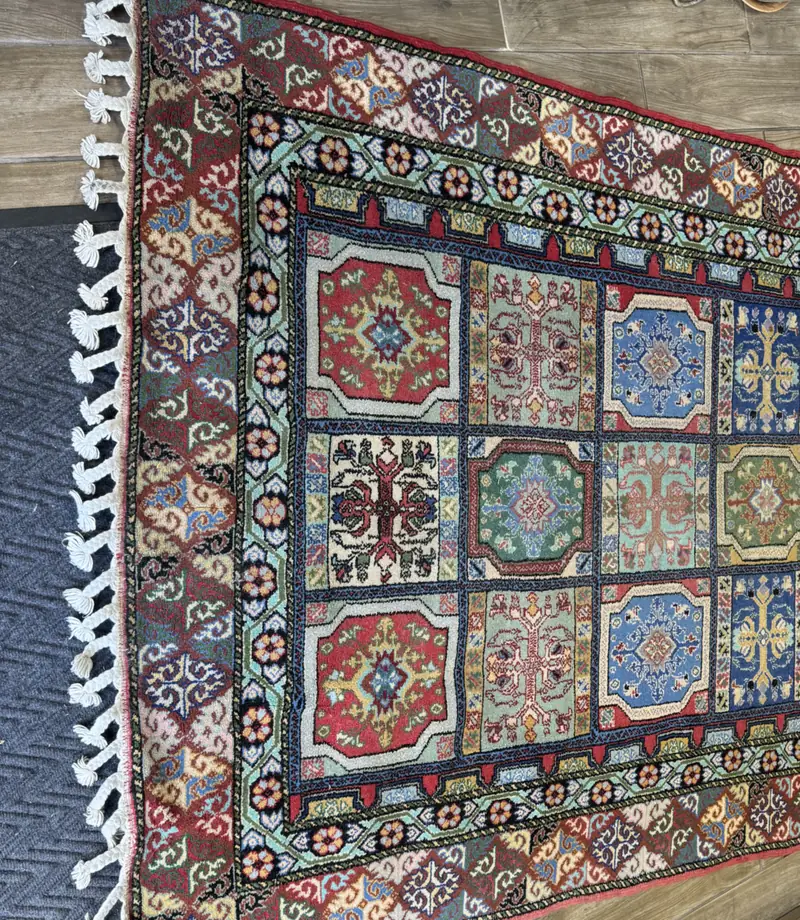
Time for a closer look?
- Decades of embedded dust
- Fragile or brittle fibers
- Color bleeding risk
- Moth or insect residue
- Musty storage odor
- Surface grime obscuring pattern
Let's care for
something remarkable.
A favorite piece. A family heirloom.
A room that feels like you again.