
Wool Rug Cleaning
in Great Neck
Expert care for wool and wool-blend rugs, maintaining natural lanolin and preventing shrinkage.
Arrange a pickup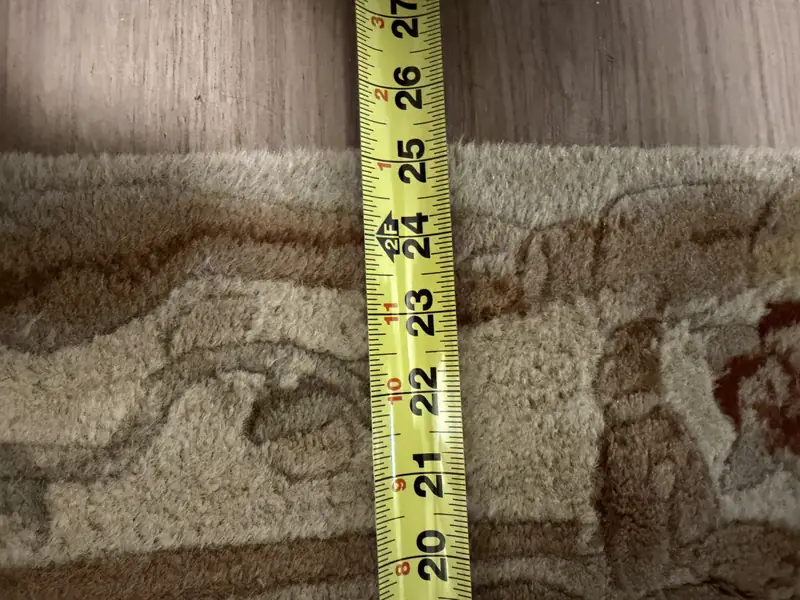 PHOTOGRAPHED BY OUR TEAM
Care begins with
understanding.
Wool is prized for its resilience, warmth, and natural soil resistance. However, improper cleaning can strip lanolin, cause shrinkage, or distort the pile. Our wool rug cleaning process respects the fiber's natural properties, using temperature-controlled water and wool-safe solutions to deep clean without damage. The result is a thoroughly cleaned rug with revived texture, restored softness, and strong color.
We discuss the condition, recommended treatment and expected outcome with you. The appropriate method is selected after inspection; not every treatment is suitable for every rug.
Wool Rug Cleaning in Great Neck
A wool rug can give off a faint, earthy smell on humid days, especially when it is new; that is the wool itself, and it passes with airing. A sour or musty smell is different and means a wash is due. Owners live in two in three homes here, and for a spare rug put away in a cedar closet or under a bed, the risk is moths, whose larvae graze the wool unseen. Lay a stored rug out under a bright lamp before booking; thinned rows of pile or a dusting of loose fibers give them away. Mention any damage in the Anything else box when you book. The wash that follows is built around what wool is. Lanolin, the wax in the fiber, keeps a fresh spill sitting on top for a few minutes; blotting in that window decides the result. Once it soaks, the stain works down the scale structure of the fiber, and the scales that lie flat while the wool is dry open up when it gets wet. That is why the water is kept temperature-controlled, the solutions are wool-safe and enzymatic where a stain calls for it, and the rinse holds the lanolin in rather than stripping the fiber bare. Water extraction is centrifugal, spinning most of the moisture out without heat, and the drying is controlled warm air, followed by brushing that sets the pile back in the direction it lies. A rug that has only ever been vacuumed across the top carries grit packed in among the knots, and it is years of that grit, ground in underfoot, that grays the surface and wears the fiber; the wash carries it out, and the colors come back to the depth the edges still show. Moth damage, once found, does not mend itself: bare tracks in the pile stay bare; reweaving is separate work, priced at the assessment on its own, and a moth treatment after the wash protects what is left. Pile crushed under the legs of furniture lifts with grooming; pile that is gone stays gone, and you hear which is which before the rug comes home.
- 48%single family houses
- 19%built before 1940
- 69%owner occupied
A careful
consideration.
- 01Temperature-controlled immersion
- 02Wool-safe enzymatic cleaning
- 03Lanolin-preserving rinse
- 04Centrifugal water extraction
- 05Controlled warm-air drying
- 06Pile brushing and grooming
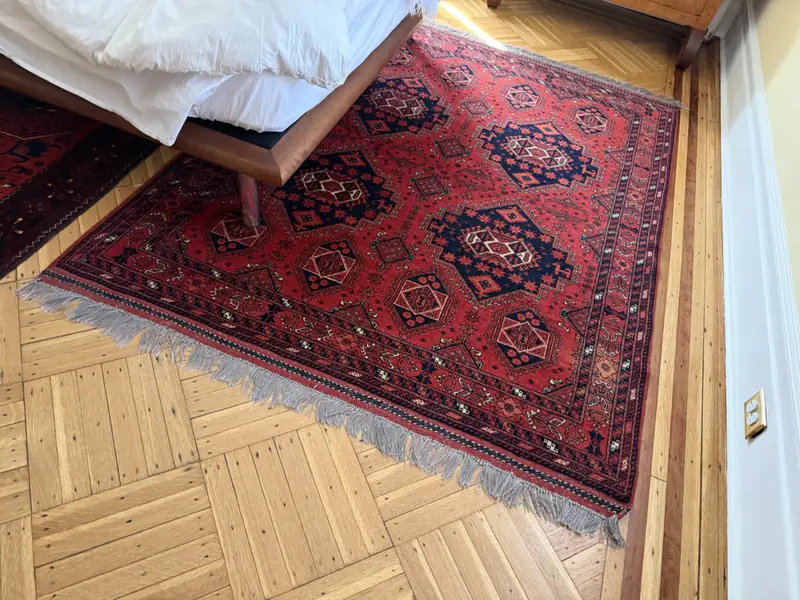
Time for a closer look?
- Matted or crushed pile
- Embedded grit and soil
- Pet hair accumulation
- Dull or faded appearance
- Mild to moderate stains
- Musty odor
Let's care for
something remarkable.
A favorite piece. A family heirloom.
A room that feels like you again.