
Area Rug Cleaning
in Long Island City
Comprehensive cleaning for all area rugs, from designer pieces to everyday furnishings.
Arrange a pickup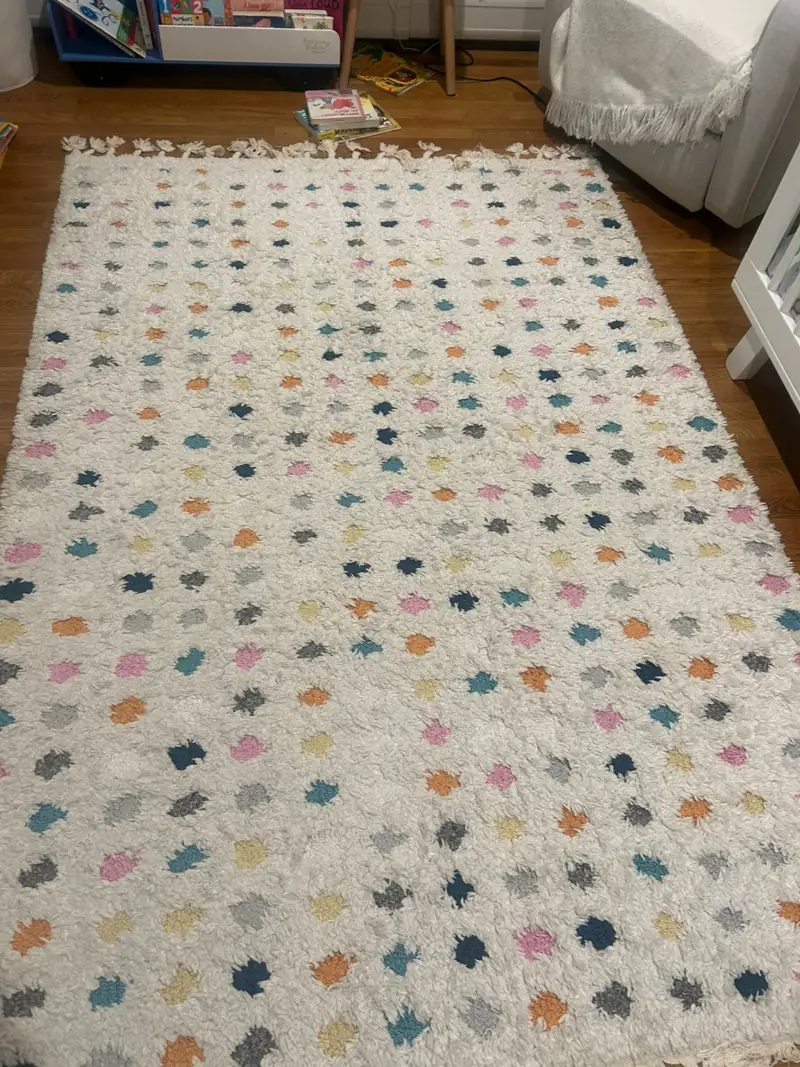 PHOTOGRAPHED BY OUR TEAM
Care begins with
understanding.
Area rugs anchor a room's design and bear the brunt of daily foot traffic. Whether your rug is a contemporary designer piece, a durable flatweave, or a plush shag, our cleaning process extracts deep-seated soil, allergens, and bacteria that regular vacuuming cannot reach. We tailor every treatment to the rug's fiber type and construction, ensuring a thorough clean that extends the life and beauty of your investment.
We discuss the condition, recommended treatment and expected outcome with you. The appropriate method is selected after inspection; not every treatment is suitable for every rug.
Area Rug Cleaning in Long Island City
The rug nearest the apartment door wears first, and in Long Island City's elevator buildings, which hold 60 percent of homes, that door usually opens onto a shared corridor that carries the grit of every neighbor's shoes. Vacuum that rug more often than the others. What a rug is made of decides the wash: a flat synthetic rug takes hot water, a tufted rug with a glued backing takes far less, and jute and sisal take very little. If a stain has already been treated at home, tell us what was used, since some household cleaners leave a residue that holds soil. The residue matters more than it sounds: a spot cleaned with a supermarket product can look fine while the film it leaves pulls more grit than the wool around it, and within a month the ring is back, darker than before. The wash here works the other way, soil drawn out with deep extraction, each stain treated with its own agent, and a deodorizing pass where smells have settled into the pile. Construction decides the water: a machine woven synthetic can take heat and strong suction, a tufted rug held by a glued backing gets a controlled low-moisture wash, while the vegetable fiber rugs, jute, sisal and seagrass, are cleaned almost dry, because a natural fiber rug soaked through browns and swells and cannot be relied on to come back flat. Only seagrass is a true grass among them; the other two come from stalks, and all three behave differently from wool in every step that touches water. Dust mites and the allergens they leave sit at the base of the pile, so the wash is aimed below the surface rather than across it. Once dry, the pile is lifted and groomed again, and a hallway runner that had leaned flat in the traffic direction stands up, which is the change most people notice first. What the wash will not do is rebuild a runner worn to the weft along its center line, and the assessment tells you early whether the rug is at the flattened stage, which lifts, or the worn stage, which does not. Rotate a runner end to end every few months so the wear spreads along its length instead of repeating in one stretch.
- 60%of homes in elevator buildings
- 20%built before 1940
- 18floors in the median home's building
A careful
consideration.
- 01Deep soil extraction
- 02Hot water or low-moisture cleaning
- 03Stain-specific spot treatment
- 04Allergen and dust mite removal
- 05Pile lifting and grooming
- 06Deodorizing treatment
Time for a closer look?
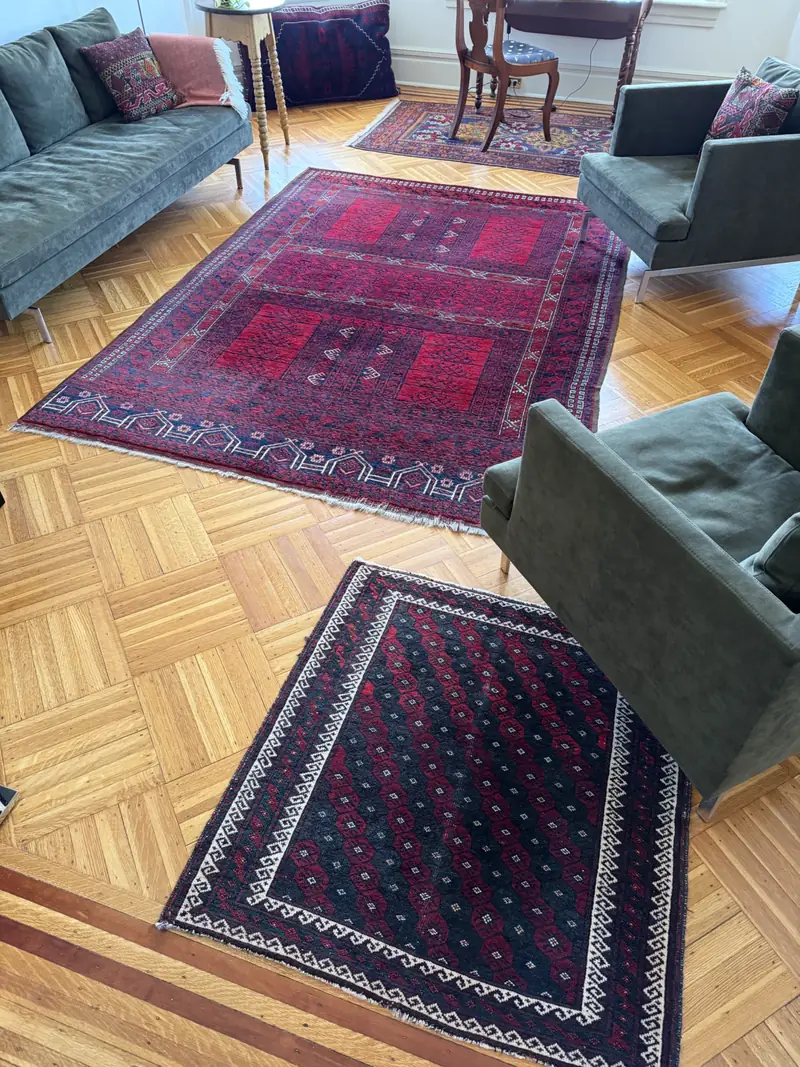
- High-traffic soil lines
- Allergen and dust buildup
- Spills and food stains
- Flattened or matted pile
- General dullness
- Odor from humidity or pets
Let's care for
something remarkable.
A favorite piece. A family heirloom.
A room that feels like you again.