
Handmade Rug Cleaning
in Long Island City
Every handmade rug is unique. We assess each piece individually to honor the artisan's work.
Arrange a pickup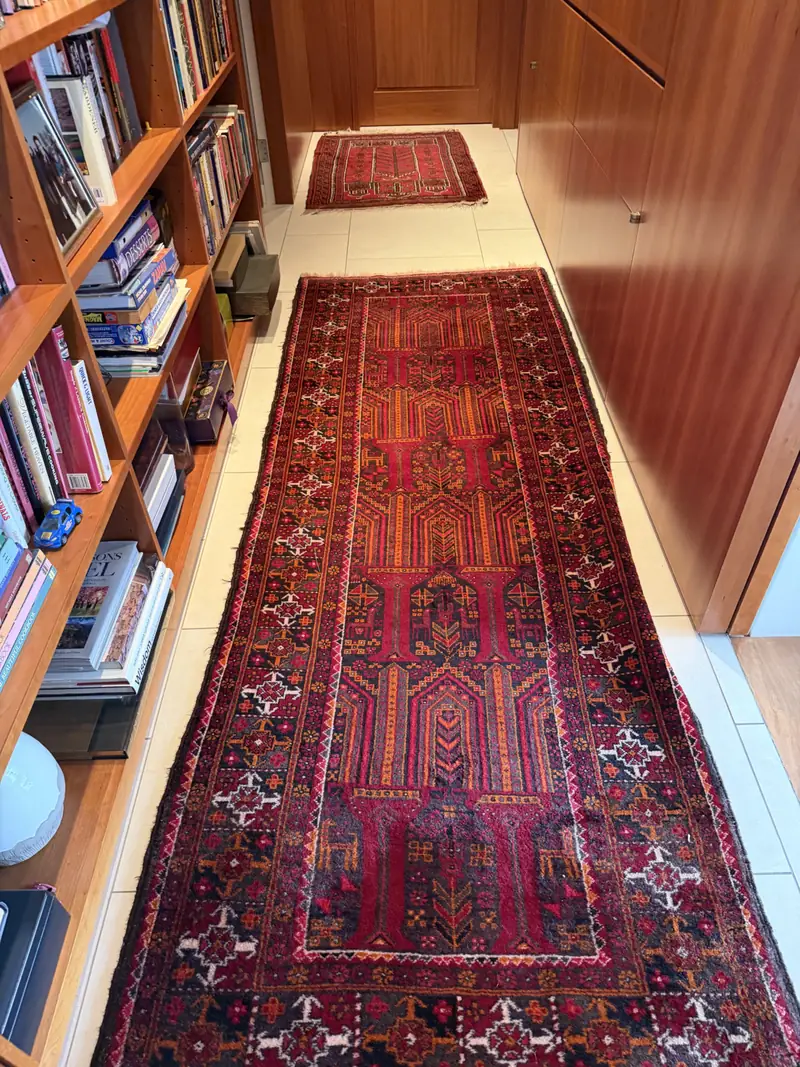 PHOTOGRAPHED BY OUR TEAM
Care begins with
understanding.
Handmade rugs, whether hand-knotted, hand-tufted, or flatwoven, represent a personal investment in craftsmanship. Each piece has unique characteristics that demand individualized attention. Our specialists examine the weave structure, fiber blend, and dye method of every handmade rug before designing a custom cleaning plan. This ensures the artisan's work is preserved while delivering a deep, revitalizing clean.
We discuss the condition, recommended treatment and expected outcome with you. The appropriate method is selected after inspection; not every treatment is suitable for every rug.
Handmade Rug Cleaning in Long Island City
About a third of homes in Long Island City are condominiums or co-ops, and their managing agents often limit vendor visits to set hours, so choose a pickup day that falls inside them. A handmade rug may be knotted by hand, hand-tufted onto a glued cloth backing or woven flat as a kilim or dhurrie, and the three behave differently once wet. If you are not sure which you have, turn up a corner: knots show on the back of a knotted rug and cloth shows on a tufted one. Write what you see in the Anything else box. The distinction drives the whole plan, because the assessment is specific to the weave. A knotted rug takes a full hand-wash with gentle agitation worked in by hand. A tufted rug never takes a soak: its pile is pushed through a cloth and held by glue, and a glued backing that is saturated and flexed can separate from the pile, so it gets a controlled low-moisture wash and a flat, low-heat drying. A flatweave has no pile at all, the wash works through the weave itself, and it is dried flat, because hanging a wet kilim lets it stretch out of square; one that has already lost its square is blocked, wetted flat and dried true, and that correction is easiest the first time. Every plan is written for the piece: fiber and dye are read along with construction, stain treatment is chosen for the fiber, and a final hand inspection at the end compares the rug against the notes taken when it arrived. What you can settle before the pickup is the story of the rug: any washing done at home, whether it ever shrank or rippled before, and which floor it is on, since a managing agent that limits vendors also tends to know its own building's rules and will tell you the door and the hours if you ask. A rug that has hung on a wall for years is its own case, with dust in the hanging edge and stress along the top, and worth naming on the tag. If the piece came from a market abroad and was never washed since, say that too; first washes of a newly made rug can release dye and wool lint in quantities that surprise people, and we would rather you heard it from us before the day.
- 60%of homes in elevator buildings
- 20%built before 1940
- 18floors in the median home's building
A careful
consideration.
- 01Weave-specific assessment
- 02Custom cleaning plan per piece
- 03Hand-washing with gentle agitation
- 04Fiber-safe stain treatment
- 05Low-heat controlled drying
- 06Final hand inspection
Time for a closer look?
- Uneven soiling patterns
- Loose fibers or shedding
- Dye migration risk
- Surface stains
- Odor absorption
- General wear patterns
Let's care for
something remarkable.
A favorite piece. A family heirloom.
A room that feels like you again.