
Handmade Rug Cleaning
in Rye
Every handmade rug is unique. We assess each piece individually to honor the artisan's work.
Arrange a pickup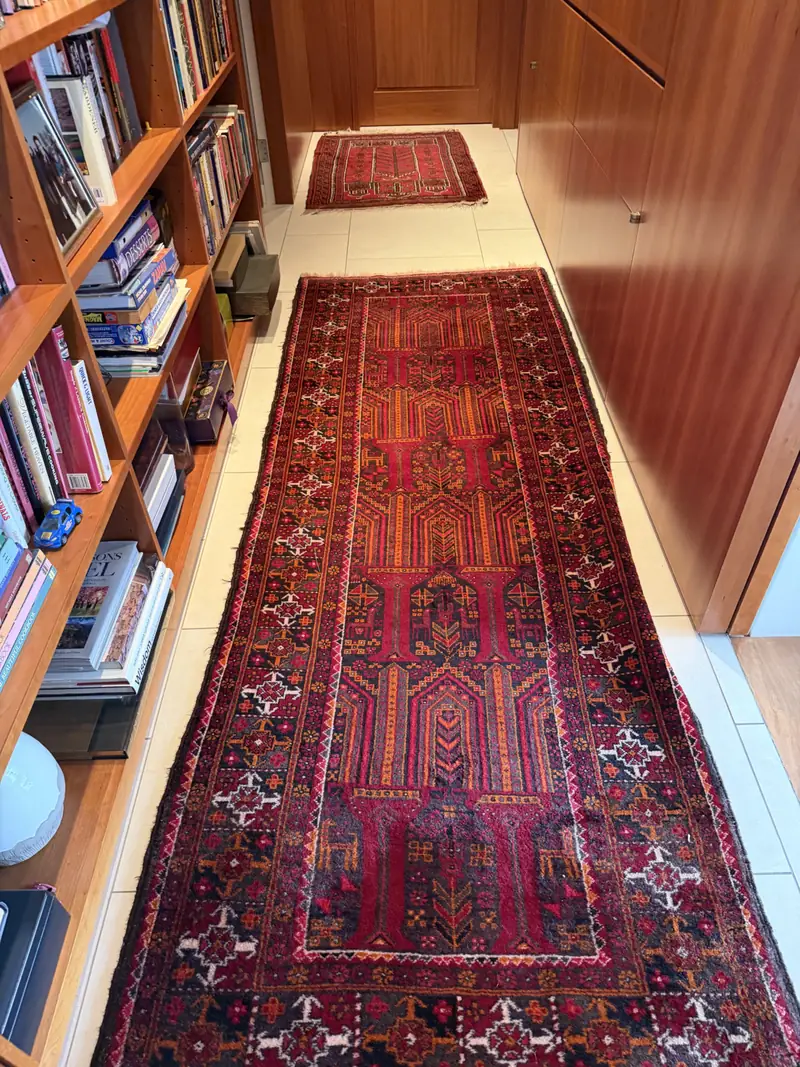 PHOTOGRAPHED BY OUR TEAM
Care begins with
understanding.
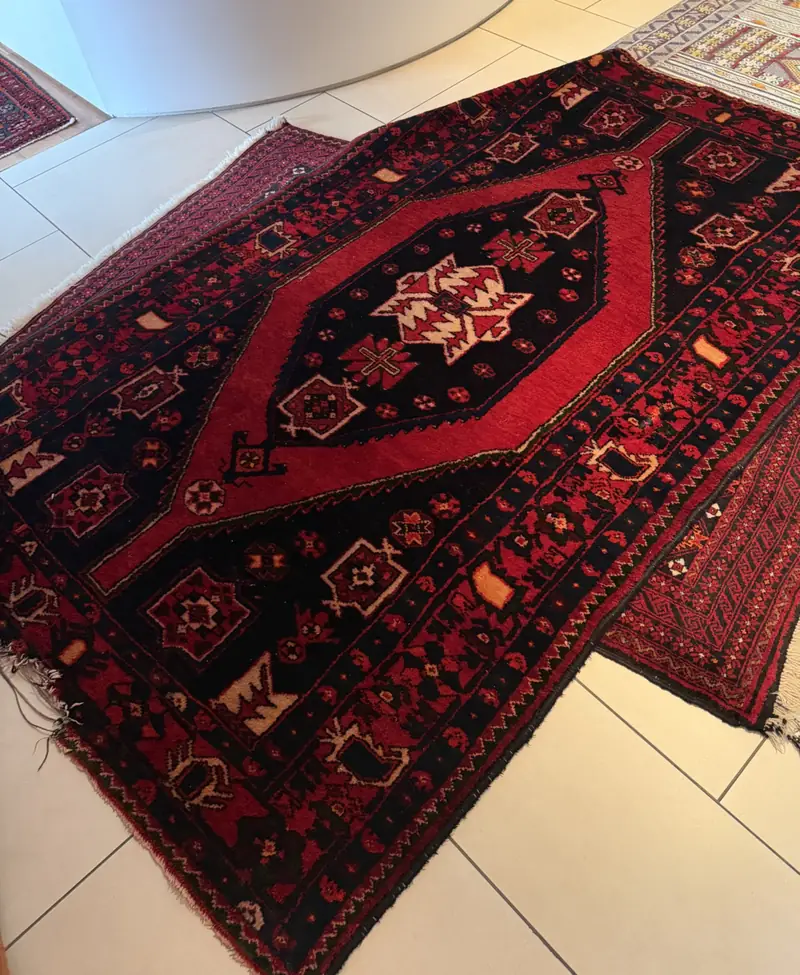
Handmade rugs, whether hand-knotted, hand-tufted, or flatwoven, represent a personal investment in craftsmanship. Each piece has unique characteristics that demand individualized attention. Our specialists examine the weave structure, fiber blend, and dye method of every handmade rug before designing a custom cleaning plan. This ensures the artisan's work is preserved while delivering a deep, revitalizing clean.
We discuss the condition, recommended treatment and expected outcome with you. The appropriate method is selected after inspection; not every treatment is suitable for every rug.
Handmade Rug Cleaning in Rye
A cotton dhurrie or a wool kilim is the handmade rug most likely to be washed at home, and the most likely to come out of it smaller or buckled, because flatweaves shrink unevenly when soaked and dried slowly or hung wet. With 18 percent of Rye's homes built in 2000 or later, many flatweaves here lie on newer, harder floors where a thin pad keeps them from creeping, and a felt pad is kind to the finish of a newer floor as well. Turn the rug over before booking and read the back: if the pattern looks the same on both sides, it is a flatweave; knots in rows mean hand knotted; a glued cloth backing means tufted. The distinction decides the method, because the three constructions cannot share one treatment. A knotted rug is given hand-washing whose agitation is gentle around its loosest areas, and stains meet fiber-safe agents applied to the spots you marked. A tufted rug takes low moisture and low heat, since a glued backing that stays wet or hot can let go of the pile and shed it later. A flatweave is cleaned and dried lying flat, since a wet kilim left hanging stretches out of square, and blocking it back is part of the work once it has. Drying for all three is held at low heat, and before the wrapping goes on, a final inspection runs over the rug by hand along the ends, the sides and the whole field, so nothing is missed. That inspection also settles whether the rug is ready to travel, and it is the step before the wrap goes on. Note what the back shows on the tag, or leave the question open under Your piece, and the assessment will settle it before anything is wet. Mention any home washing too, since soap that never rinsed out fully sits in the fiber and changes how the bath behaves, and a tufted rug that has been soaked once may already have a backing that has begun to stiffen.
- 68%single family houses
- 30%built before 1940
- 70%owner occupied
A careful
consideration.
- 01Weave-specific assessment
- 02Custom cleaning plan per piece
- 03Hand-washing with gentle agitation
- 04Fiber-safe stain treatment
- 05Low-heat controlled drying
- 06Final hand inspection
Time for a closer look?
- Uneven soiling patterns
- Loose fibers or shedding
- Dye migration risk
- Surface stains
- Odor absorption
- General wear patterns
Let's care for
something remarkable.
A favorite piece. A family heirloom.
A room that feels like you again.