Understanding the Differences: Carpet vs. Rug
While often used interchangeably in everyday conversation, carpets and rugs are distinct floor coverings with unique characteristics, installation methods, and maintenance requirements. Understanding these differences is crucial for making informed decisions about your home's flooring and ensuring proper care. When it comes to delicate pieces like a Persian rug, cleaning methods are particularly important.
What Defines a Carpet?
A carpet, in its traditional sense, refers to a floor covering that is installed wall-to-wall within a room. It is typically cut to fit the exact dimensions of the space and is often secured to the subfloor with tack strips or adhesive. This permanent installation means carpets are considered an integral part of a room's structure.
Carpets are commonly made from synthetic fibers like nylon, polyester, and polypropylene, chosen for their durability, stain resistance, and affordability. Wool carpets are also popular, offering natural comfort and resilience. The primary purpose of carpeting is to cover the entire floor, providing insulation, sound absorption, and a soft surface underfoot.
What is a Rug?
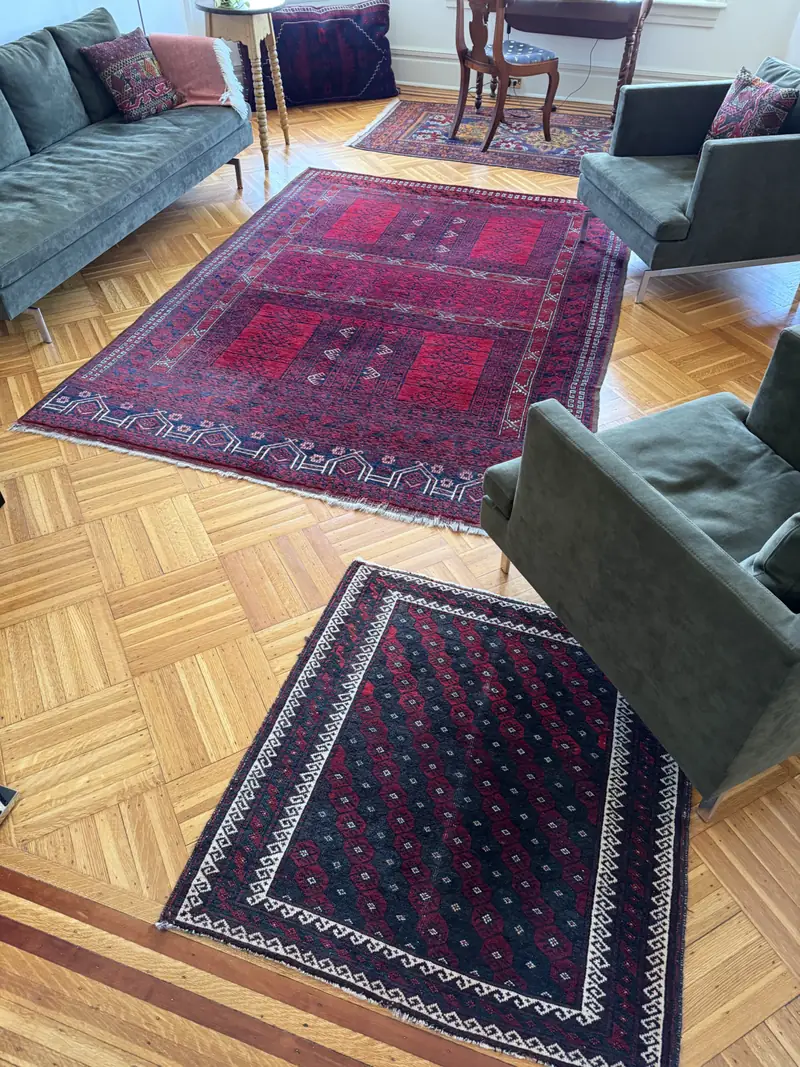
A rug, on the other hand, is a discrete floor covering that does not extend wall-to-wall. Instead, it is a standalone item that is placed on top of another flooring surface, such as hardwood, laminate, tile, or even carpet itself. Rugs come in various sizes, shapes, and designs, serving as decorative accents or defining specific areas within a room.
Historically, rugs were often hand-knotted or woven from natural fibers like wool, silk, or cotton. Today, while traditional materials remain popular, rugs are also manufactured using a wide array of synthetic fibers. Their portability and ability to be easily moved are hallmarks of rugs.
Key Distinctions at a Glance
To summarize the core differences between carpets and rugs:
- Installation: Carpets are permanently installed wall-to-wall; rugs are portable and placed on top of existing flooring.
- Size: Carpets cover an entire room; rugs are smaller, accent pieces.
- Purpose: Carpets provide overall flooring; rugs define spaces and add decorative elements.
- Materials: Both can use similar materials, but traditional rugs often feature more intricate natural fiber weaving.
- Maintenance: Cleaning methods can vary significantly due to their installation and material differences.
Maintenance Tips for Carpets
Maintaining wall-to-wall carpets involves a consistent routine to preserve their appearance and extend their lifespan. Regular vacuuming is paramount to remove dirt and debris before it settles deep into the fibers.
For spills and stains, immediate action is crucial. Blot, don't rub, with a clean cloth, and use appropriate carpet cleaning solutions. Professional carpet cleaning is recommended every 12-18 months, or more frequently in high-traffic areas or homes with pets and children. This deeper cleaning extracts embedded dirt and allergens, revitalizing the carpet's look and feel.
Caring for Your Rugs: A Different Approach
Rugs, especially delicate or antique ones, require a more nuanced approach to cleaning and maintenance. Their portability offers the advantage of being able to take them outdoors for a good shake or gentle beating to remove loose dirt. However, this is not suitable for all types of rugs.
General Rug Care
- Regular Vacuuming: Gently vacuum rugs, using a brush attachment for fringes, to remove surface dirt. Avoid using a beater bar on delicate or hand-knotted rugs, as it can damage the fibers.
- Rotation: Rotate your rugs periodically to ensure even wear and exposure to sunlight, preventing fading in one area.
- Underlays: Use a rug pad to prevent slipping, provide cushioning, and protect your rug from wear and tear, especially on hard surfaces. This also protects the underlying floor.
- Spot Cleaning: For spills, act quickly by blotting with a clean cloth. Test any cleaning solution on an inconspicuous area first to prevent damage or discoloration.
Special Care for Delicate Rugs: Oriental and Persian Rug Cleaning
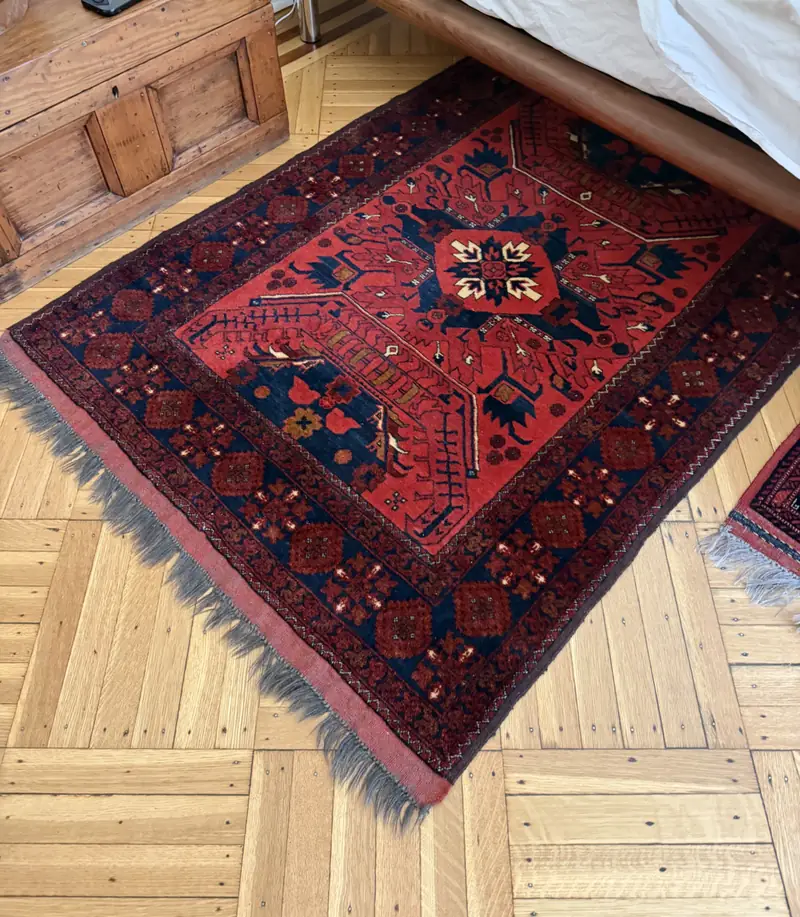
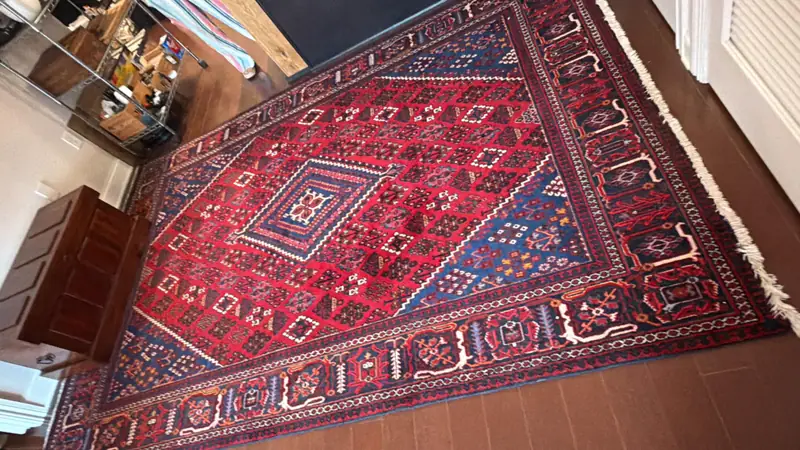
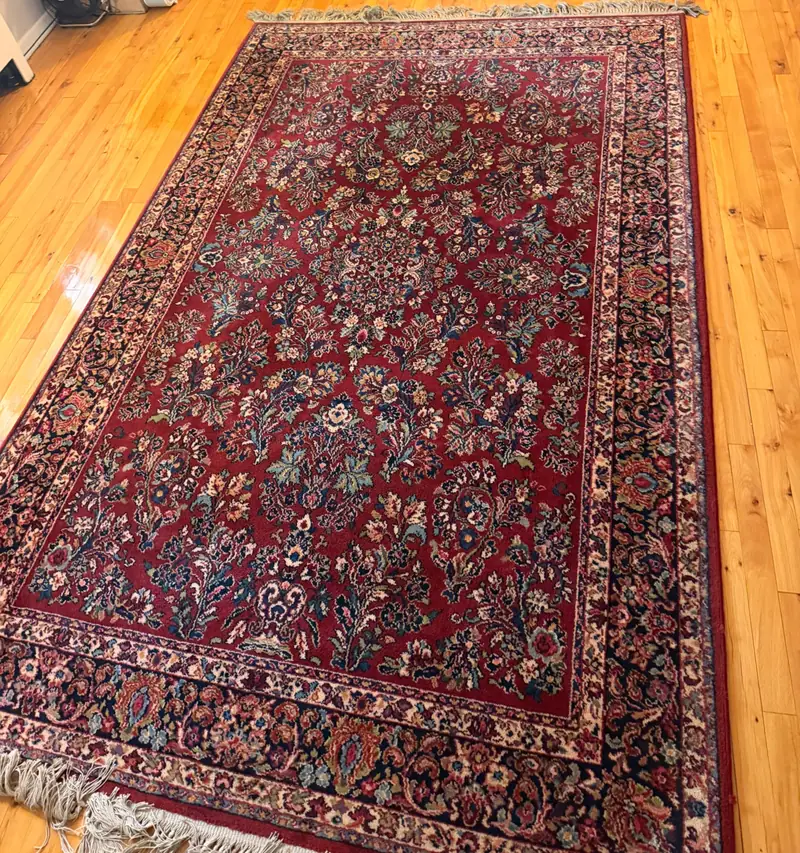
Oriental and Persian rugs are often hand-knotted masterpieces, crafted from luxurious natural fibers like wool and silk. Their intricate designs and unique construction demand specialized care beyond what a typical synthetic carpet might tolerate. Mishandling can lead to irreversible damage, including color bleeding, fiber distortion, or loss of value.
One of the top problems that ruin rugs is using incorrect cleaning methods. Harsh chemicals, excessive moisture, or aggressive scrubbing can strip natural oils, degrade dyes, and weaken the delicate knots. For these valuable pieces, professional Persian rug cleaning is not just an option, but a necessity.
Professional cleaners understand the specific fiber compositions, dye stability, and weaving techniques of these rugs. They employ specialized techniques like dusting, hand-washing, and controlled drying to ensure a thorough yet gentle cleaning. Knowing what happens during a professional Persian rug cleaning service can give you peace of mind that your treasured rug is in expert hands, preserving its beauty and longevity.
By understanding the fundamental differences between carpets and rugs, and implementing appropriate care routines, you can ensure both types of floor coverings remain beautiful and functional components of your home for many years to come.