Introduction: More Than Just Appearance
When we think about a clean home, often the first images that come to mind are sparkling surfaces and organized rooms. While these aspects certainly contribute to a pleasant living space, the impact of a clean home environment extends far beyond aesthetics. It's deeply intertwined with our physical health, mental well-being, and overall quality of life. A truly clean home is a sanctuary, a place where you can relax, recharge, and thrive without worrying about hidden health hazards.
This article will delve into the multifaceted reasons why maintaining a clean home environment is more important than you might realize. From practical hygiene considerations to the subtle influence on our mood, we'll explore how a well-kept home fosters a healthier and happier lifestyle.
The Crucial Role of Hygiene and Health
Maintaining a clean home environment is fundamentally about safeguarding your health and the health of your loved ones. Our homes can unknowingly become breeding grounds for various microorganisms, allergens, and pollutants if regular cleaning is neglected. Prioritizing cleanliness helps mitigate these risks and promotes a healthier living space.
Battling Germs and Bacteria
Surfaces we frequently touch (like doorknobs, light switches, countertops, and remote controls) are prime locations for germs and bacteria to accumulate. Without consistent cleaning and disinfection, these microbes can easily spread throughout your household, increasing the risk of illness. Regular wiping down of high-touch surfaces, especially in kitchens and bathrooms, is essential for breaking the chain of transmission.
Reducing Allergens and Irritants
Dust, pollen, pet dander, and mold spores are common indoor allergens that can trigger respiratory issues, allergies, and asthma. A build-up of these irritants can significantly impact indoor air quality and lead to chronic discomfort for sensitive individuals. Thorough cleaning, including dusting, vacuuming, and addressing moisture issues, is key to keeping these allergens at bay.
Enhancing Indoor Air Quality
Surprisingly, indoor air can often be more polluted than outdoor air. Our homes contain various sources of pollutants, ranging from cleaning products to building materials and even our own activities. A clean home environment plays a direct role in improving the air we breathe daily.
Dust Control and Filtration
Dust isn't just unsightly; it's a complex mix of skin flakes, pet dander, textile fibers, soil particles, and chemical residues. Regular dusting and vacuuming are vital for its removal. Utilizing air purifiers with HEPA filters can also help capture airborne particles, further enhancing air quality. Remember to clean or replace HVAC filters regularly to ensure your home's ventilation system is circulating clean air.
Preventing Mold and Mildew Growth
Moisture is the primary culprit behind mold and mildew growth, which can release spores into the air and cause respiratory problems. Adequate ventilation, especially in bathrooms and kitchens, promptly addressing leaks, and managing humidity levels are crucial steps. A clean home allows for better identification and remediation of moisture issues before they become larger problems.
The Impact on Mental Well-being and Comfort
The state of our physical environment has a profound effect on our mental and emotional states. A clean and organized home is not just about physical health; it's also a powerful tool for promoting peace of mind, reducing stress, and enhancing overall comfort.
Reducing Stress and Anxiety
Clutter and disorganization can be a source of constant low-level stress. Walking into a messy home at the end of a long day can feel overwhelming, making it harder to relax. Conversely, a clean and tidy space fosters a sense of calm and control. It provides a peaceful backdrop for daily life, allowing you to unwind and focus without distractions.
Promoting Better Sleep
Your bedroom should be a sanctuary for rest. A clean bedroom, free from dust, allergens, and clutter, can significantly improve sleep quality. Fresh bedding, a dust-free environment, and an organized space contribute to a more serene atmosphere conducive to deep, restorative sleep. It removes potential irritants that could disrupt your breathing or simply keep your mind racing.
Boosting Productivity and Focus
A cluttered environment often leads to a cluttered mind. When your workspace or living areas are messy, it can be challenging to concentrate and be productive. A clean, organized home minimizes visual distractions, making it easier to focus on tasks, whether you're working, studying, or engaging in hobbies. It creates an environment that supports clarity of thought and efficiency.
Addressing Often-Overlooked Areas: Soft Surfaces
While hard surfaces like floors and countertops are frequently cleaned, soft surfaces in our homes often get less attention. However, these materials can harbor significant amounts of dust, allergens, pet dander, and even pathogens, playing a critical role in the overall cleanliness and air quality of your home.
Upholstery and Curtains
Sofas, chairs, and curtains act like giant filters, trapping airborne particles and allergens over time. Regular vacuuming of upholstery, especially in homes with pets or allergy sufferers, is vital. Curtains should be laundered or professionally cleaned periodically based on their material and how much dust they accumulate. This prevents allergens from being released back into the air every time they are disturbed.
Rugs and Carpets: Hidden Havens
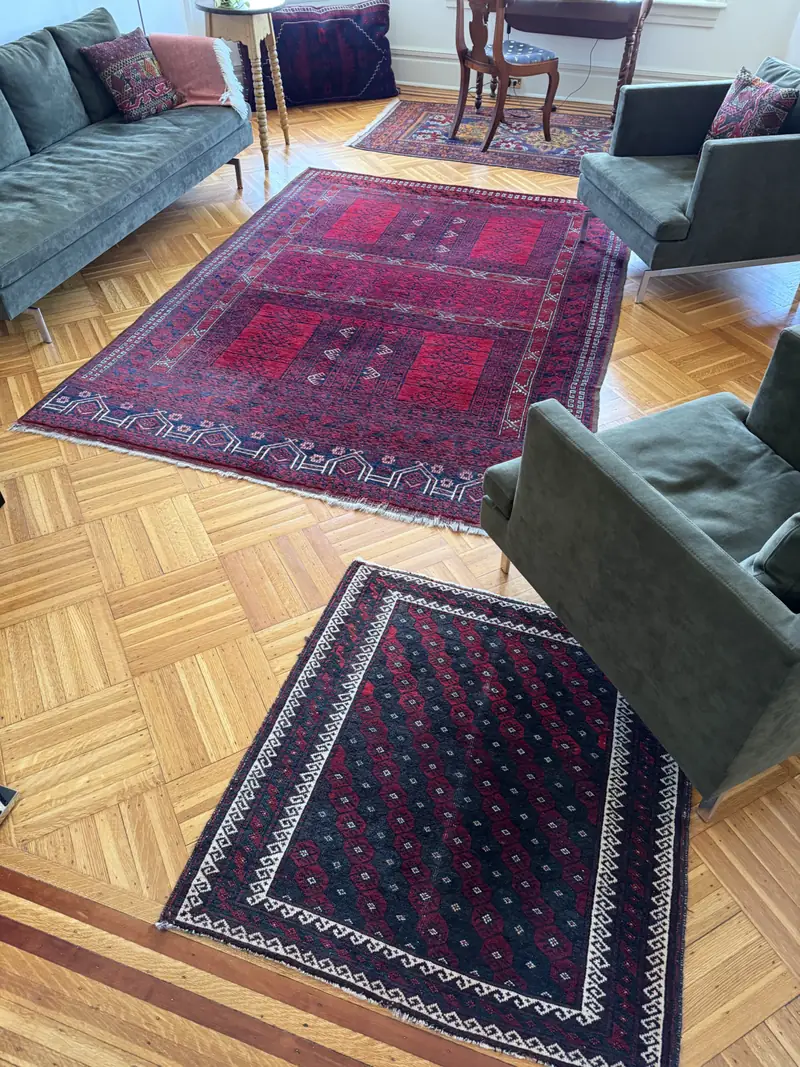
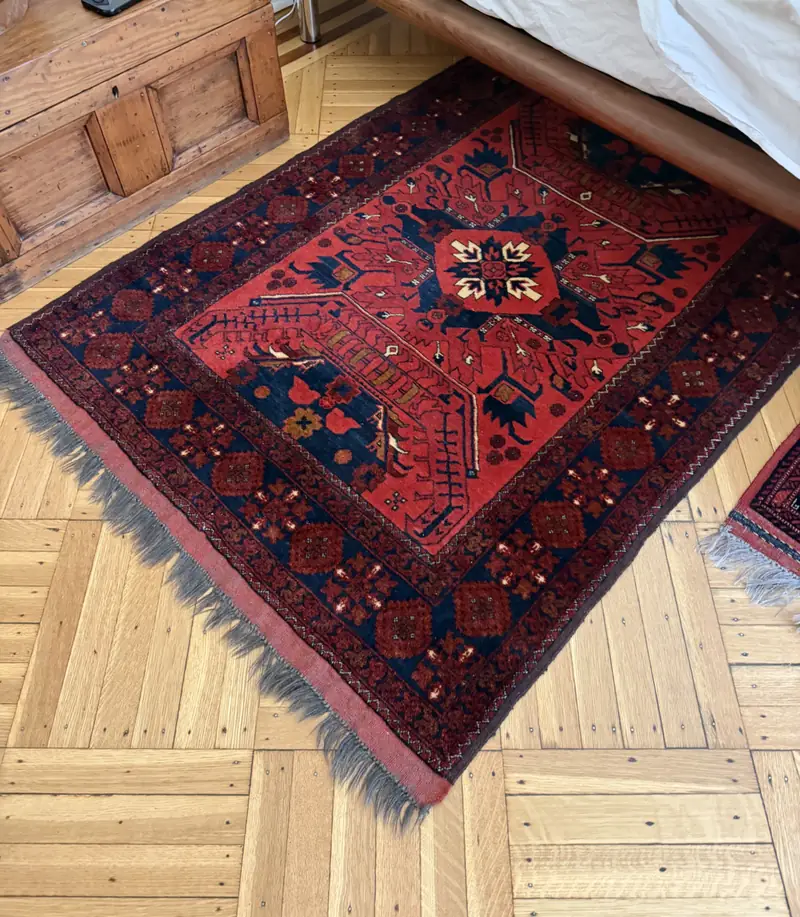
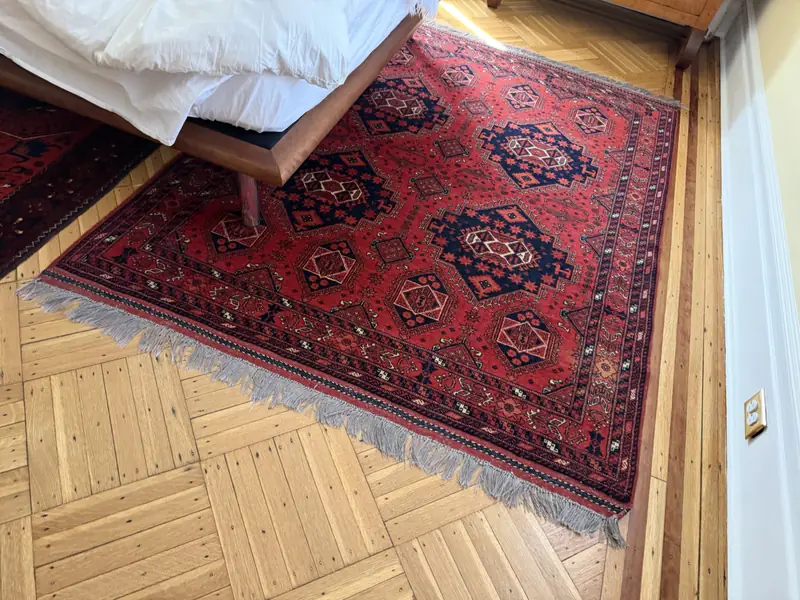
Rugs, just like wall-to-wall carpets, are particularly good at trapping dirt, dust mites, pet dander, and other microscopic particles. While they might look clean on the surface, a significant amount of debris can be embedded deep within their fibers. Regularly vacuuming rugs is a good start, but it's often not enough to remove all the trapped pollutants. Understanding the difference between carpets and rugs, and their specific maintenance needs, is important for prolonging their life and ensuring they don't become sources of indoor pollution.
For effective removal of deep-seated dirt and allergens, professional rug cleaning is essential. This not only improves indoor air quality but also extends the life of your rugs and keeps them looking their best. Neglecting rug maintenance can lead to common problems that ruin rugs, such as color fading, fiber deterioration, and permanent staining. Considering that rugs often receive significant foot traffic and can harbor more dirt than hard surfaces, giving them proper cleaning attention contributes immensely to a truly clean home environment and the health of your household.
Conclusion: A Worthwhile Investment
Ultimately, maintaining a clean home environment is a continuous and worthwhile investment in your health, happiness, and peace of mind. It goes beyond mere appearances, directly impacting physical well-being, improving indoor air quality, and fostering a calm and comfortable atmosphere that supports mental clarity and reduces stress. By consistently addressing hygiene concerns, managing allergens, and paying attention to all surfaces, hard and soft, you create a living space that truly nurtures you and your family. Embrace the power of a clean home; it's a foundation for a healthier, more fulfilling life.