
Handmade Rug Cleaning
in Brooklyn Heights
Every handmade rug is unique. We assess each piece individually to honor the artisan's work.
Arrange a pickup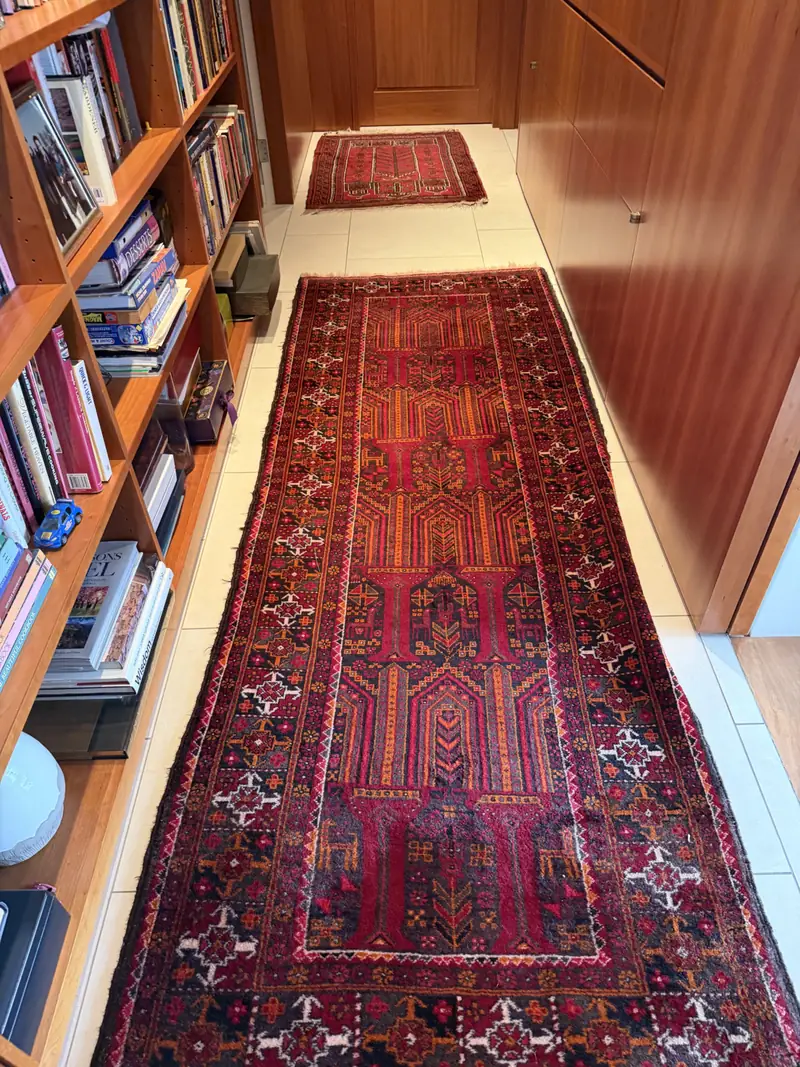 PHOTOGRAPHED BY OUR TEAM
Care begins with
understanding.
Handmade rugs, whether hand-knotted, hand-tufted, or flatwoven, represent a personal investment in craftsmanship. Each piece has unique characteristics that demand individualized attention. Our specialists examine the weave structure, fiber blend, and dye method of every handmade rug before designing a custom cleaning plan. This ensures the artisan's work is preserved while delivering a deep, revitalizing clean.
We discuss the condition, recommended treatment and expected outcome with you. The appropriate method is selected after inspection; not every treatment is suitable for every rug.
Handmade Rug Cleaning in Brooklyn Heights
Shared-ownership forms, co-op and condominium, cover 55 percent of residences here, and both structures usually ask that a vendor be announced in advance, so put your building's requirements on the tag next to what the reverse of the rug shows you, because the back carries the diagnosis. A field of knot tails visible across the back identifies hand-knotted construction; a glued secondary cloth identifies hand-tufting; a surface where the weft crosses the warp with nothing growing out of it identifies a flatweave. Water treats these three so differently that no single process fits all: the knotted piece accepts a full hand-wash with measured agitation, the tufted piece demands a restrained, low-moisture process because its latex layer softens when soaked, and the flatweave is laundered and dried lying flat, since a damp kilim strung up stretches and loses its corners. A tufted rug scattering crumbly yellow grains from its reverse is announcing latex decay, and such a piece is carried flat, washed gently, and dried flat with the backing never left to hang. Each rug receives a plan of its own rather than a production line: the weave structure, fiber blend and dye application are read before anything else, staining is treated with agents selected for that fiber, and drying runs low and slow, since heat applied in haste puckers a handmade piece along one side and the puckering resists later correction. A final inspection by hand closes the job, row by row and end to end. Shedding tells its own story at this point: loose fibers on a recently made rug are surplus wool settling down, whereas shedding from a decades-old piece can signal pile sheared away by wear, and the two call for different advice. What the service changes: soil lodged at the base of the weave departs, colors clear, and a flatweave regains its square corners; what it cannot change: latex already crumbled, and pile already gone, both of which are reported to you at the assessment.
- 51%of homes in elevator buildings
- 69%built before 1940
- 6floors in the median home's building
A careful
consideration.
- 01Weave-specific assessment
- 02Custom cleaning plan per piece
- 03Hand-washing with gentle agitation
- 04Fiber-safe stain treatment
- 05Low-heat controlled drying
- 06Final hand inspection
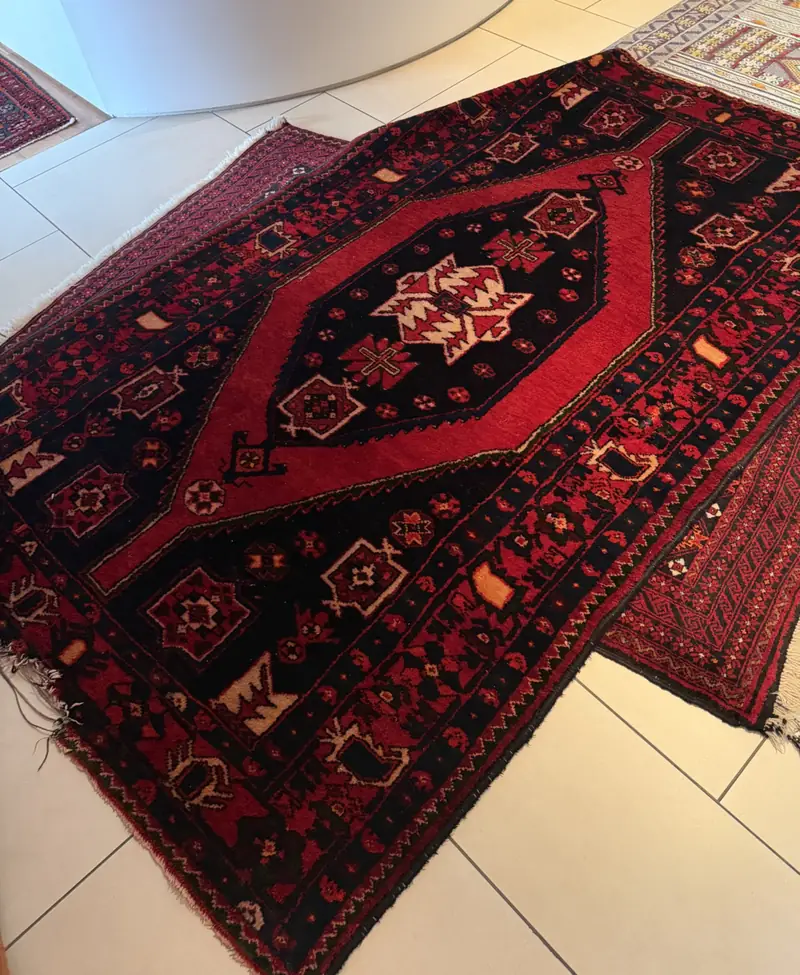
Time for a closer look?
- Uneven soiling patterns
- Loose fibers or shedding
- Dye migration risk
- Surface stains
- Odor absorption
- General wear patterns
Let's care for
something remarkable.
A favorite piece. A family heirloom.
A room that feels like you again.