
Antique Rug Cleaning
in Chelsea
Gentle, low-agitation cleaning for vintage and antique rugs, with preservation first.
Arrange a pickup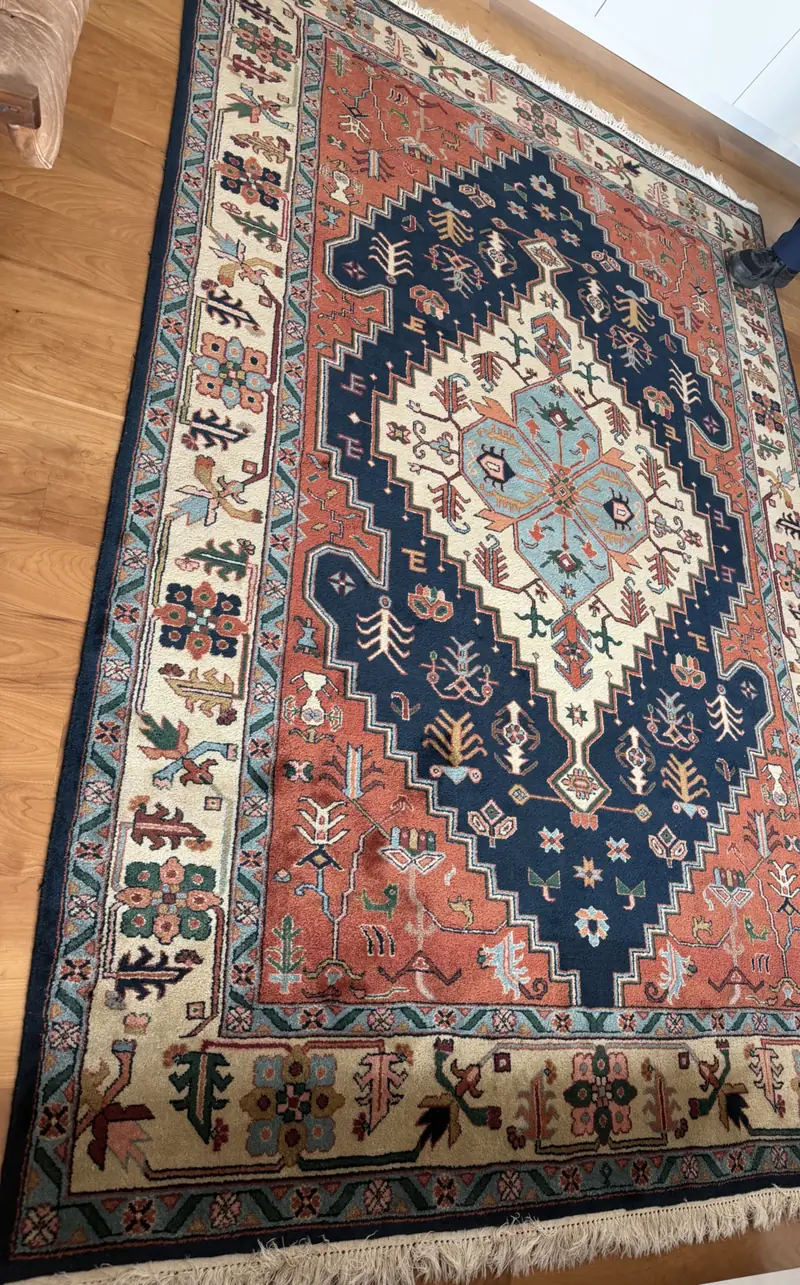 PHOTOGRAPHED BY OUR TEAM
Care begins with
understanding.
Antique rugs require an extraordinarily careful approach. Age, natural dyes, and delicate fibers demand cleaning techniques that prioritize preservation above all else. Our specialists evaluate each antique piece for colorfastness, structural integrity, and fiber fragility before selecting a cleaning protocol. We use gentle, low-agitation methods that remove decades of accumulated soil while honoring the character and patina that make your rug a treasure.
We discuss the condition, recommended treatment and expected outcome with you. The appropriate method is selected after inspection; not every treatment is suitable for every rug.
Antique Rug Cleaning in Chelsea
A building from the earliest days of this neighborhood's housing, the rowhouse blocks of the Chelsea Historic District being the oldest of the 39 percent of local homes in prewar stock, can be nearly as old as the antique rug laid in its parlor, and the two age together in ways worth knowing before a wash. Radiators, the standard heat in rooms that old, pull moisture out of cotton foundations year after year until the warps stiffen, and a stiff warp no longer holds its knots the way it was woven to, which is why every stage of this cleaning runs slow: colors trialed on a hidden corner, a bath close to neutral in a cool solution, and the piece moved as little as possible while wet. Feel the back of the rug with a flat palm before the pickup date; a crackle under your fingers, or a patch that no longer flexes where it should, belongs on the tag. The piece should lie flat rather than coiled while it waits, and where a vendor at your building works to the rules of a large complex such as London Terrace, the booking follows those rules as well as your schedule. A rug that has moved through several apartments in its life often carries fold lines from storage, and those creases are treated as structure rather than surface, since pressing them flat by force does more harm than the years that put them there. A radiator valve that weeps leaves its own brown ring on the pile beside it, so any valve that has dripped is worth a line on the tag as well. Those creases are treated as structure: a crease held through decades of storage may relax in the bath without ever lying dead flat again, and the assessment says so at the start. Every earlier mend, whether a rewoven square or a re-stitched side, is catalogued before the wash and routed around, and where pile has worn to the knots in a walkway, that loss is described before anything is wet, since worn pile stays worn. Drying is flat and slow, the nap eased by hand while damp, and the piece travels supported along its full length, never bent over an arm.
- 54%of homes in elevator buildings
- 39%built before 1940
- 14floors in the median home's building
A careful
consideration.
- 01Colorfastness testing
- 02Low-agitation hand-cleaning
- 03Natural pH-neutral solutions
- 04Controlled flat drying
- 05Gentle pile realignment
- 06Careful, supported handling
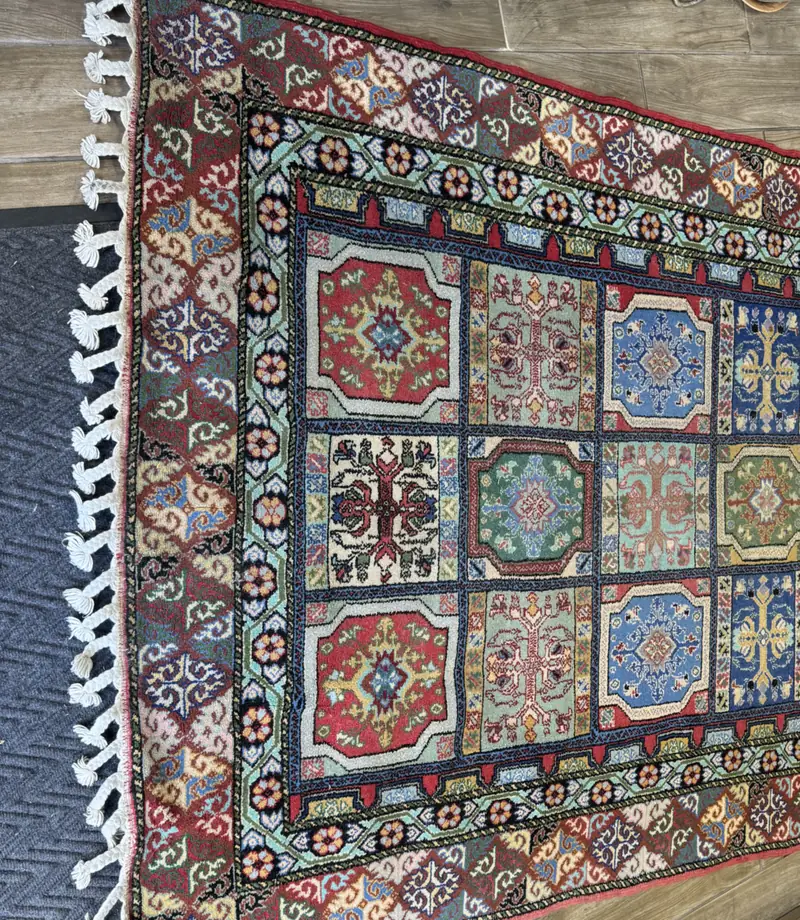
Time for a closer look?
- Decades of embedded dust
- Fragile or brittle fibers
- Color bleeding risk
- Moth or insect residue
- Musty storage odor
- Surface grime obscuring pattern
Let's care for
something remarkable.
A favorite piece. A family heirloom.
A room that feels like you again.